Is Morocco Safe for Jewish Travelers?
The short answer is yes. Morocco is generally a safe and welcoming destination for Jewish travelers.
Is Morocco Safe for Jewish Travelers? Complete Guide, History & Travel Tips
If you are planning a trip to North Africa, you may be asking an important question: Is Morocco safe for Jewish travelers?
The short answer is yes. Morocco is generally a safe and welcoming destination for Jewish travelers.
Morocco has a unique place in the Arab world and a long history of Jewish life. The country is home to more than 2,000 years of Jewish history, historic synagogues, well-preserved Jewish cemeteries, and many important Jewish heritage sites. Morocco also has a long tradition of coexistence between Jewish and Muslim communities. The Moroccan Constitution recognizes the country’s Hebraic heritage as an important part of Moroccan culture and national identity.
Whether you are planning a Morocco Jewish heritage tour, looking to discover your Moroccan Jewish roots, visiting historic synagogues and Jewish quarters, or simply exploring Morocco as a tourist, this complete Morocco travel guide for Jewish travelers covers everything you need to know about safety, Jewish heritage sites, kosher food, and practical travel tips.
Quick Summary: Jewish Travel in Morocco at a Glance
| Category | Details & Safety Status |
|---|---|
| Overall Safety Level | High. Tens of thousands of Jewish tourists visit Morocco every year without safety issues. |
| Government Protection | Strong official security. Police guard synagogues, Jewish museums, and community centers. |
| Kosher Infrastructure | Available in Casablanca and Marrakech (kosher restaurants, bakeries, caterers, and Chabad). |
| Israeli Passport Acceptance | Yes. Israeli citizens can visit using an online e-Visa system under diplomatic agreements. |
| Heritage Preservation | National restoration initiative led by King Mohammed VI to restore over 110 historic synagogues and cemeteries. |
The 2,000-Year History of Jewish Life in Morocco
To understand why Morocco is an important destination for Jewish travelers, it helps to understand the country's long and unique Jewish history.
Jewish history in Morocco goes back more than 2,000 years, long before the arrival of Islam in North Africa. Over the centuries, Jewish communities lived throughout Morocco and developed close cultural, social, and economic connections with their Muslim neighbors. Jewish communities could be found in cities, mountain areas, and trading centers across the country.
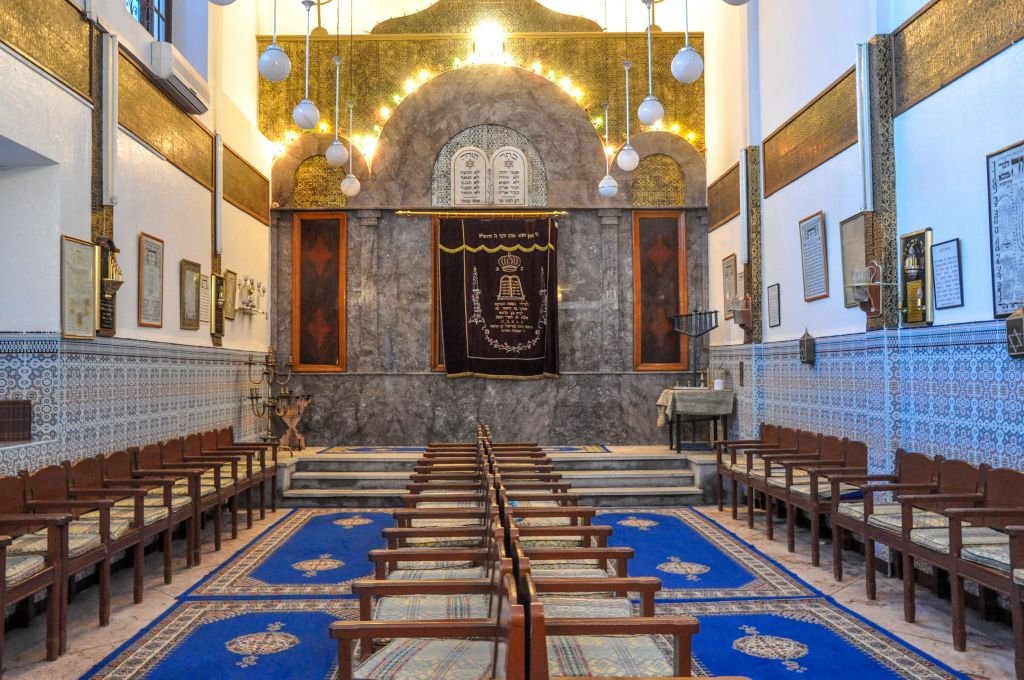
Morocco's Jewish heritage is still visible today through historic synagogues, Jewish cemeteries, Mellahs, museums, and religious sites. The Moroccan government has also supported the restoration and preservation of Jewish heritage sites across the country.
The Arrival of Andalusian Sephardic Jews
In 1492, following the expulsion of Jews from Spain, large numbers of Sephardic Jews moved to Morocco. Many settled in important Moroccan cities such as Fes, Marrakech, Rabat, and Essaouira.
These Jewish communities became an important part of Moroccan society. They contributed to trade, crafts, music, culture, education, and business, while also maintaining their own religious traditions and customs.
Today, this history is an important part of a Morocco Jewish heritage tour, especially for travelers interested in Sephardic Jewish history and Moroccan Jewish family roots.
World War II and the Jewish Community in Morocco
During World War II, Morocco was under the French Protectorate, and the Vichy government introduced anti-Jewish laws that affected the Jewish population in Morocco. Historical records show that these laws were implemented in Morocco, although the situation was different from the Nazi-occupied parts of Europe.
King Mohammed V is remembered in Moroccan Jewish history for his position toward the Jewish community during this difficult period. A famous statement is often attributed to him in which he emphasized that Moroccan Jews were part of the Moroccan nation.
The history of this period remains an important part of the relationship between Morocco and its Jewish community.
At its peak in the late 1940s, Morocco had around 240,000 Jewish residents, making it home to one of the largest Jewish communities in the Arab world. After the creation of Israel and during the following decades, most Moroccan Jews emigrated to countries including Israel, France, Canada, and the United States.
Today, a small Jewish community remains in Morocco, particularly in Casablanca, Marrakech, and Rabat, while millions of people around the world have Moroccan Jewish ancestry.
Safety and Security Measures in Morocco Today
For Jewish travelers visiting Morocco today, it is useful to understand both the country's security measures and its Jewish heritage infrastructure.
Morocco continues to preserve important Jewish religious and cultural sites, including synagogues, cemeteries, museums, and historic Mellahs. The country has also invested in restoring Jewish heritage as part of its wider cultural preservation programs.
1. Protection of Jewish Heritage Sites
Important Jewish religious and cultural sites receive security measures, particularly in larger cities and around active community institutions. Travelers should still use normal precautions, especially when visiting busy tourist areas.
2. Preservation of Jewish Heritage
Under King Mohammed VI, Morocco has supported programs to restore and preserve Jewish heritage sites. Official Moroccan sources report the restoration of Jewish cemeteries, synagogues, and other historic sites across the country. One documented program restored 170 Jewish cemeteries, sanctuaries, and mausoleums and thousands of tombstones.
The restoration of Slat Alfassiyine Synagogue in Fes is another example of Morocco's efforts to preserve its Jewish heritage. King Mohammed VI attended the synagogue's reopening after restoration in 2013.
3. Tourist Security
Popular tourist destinations such as Marrakech, Fes, Tangier, and Casablanca have established tourist security services and police presence in major tourist areas. As with any international destination, Jewish travelers should take normal travel precautions, follow local advice, and remain aware of their surroundings.
Understanding the "Mellah": Morocco's Historic Jewish Quarters
One of the most important parts of Jewish heritage in Morocco is the Mellah, the traditional Jewish quarter found in many historic Moroccan cities.
Mellahs developed in several Moroccan cities from the 15th century onward. They became important centers where Jewish families lived, worked, traded, worshipped, and built synagogues and community institutions.
Today, visiting a Mellah can be an important part of a Morocco Jewish heritage tour. These historic neighborhoods offer travelers a chance to see the architecture, streets, synagogues, cemeteries, and cultural traditions connected to Morocco's Jewish past.
Marrakech Mellah
The Marrakech Mellah is located near the Bahia Palace and is one of the city's most interesting historic neighborhoods. Visitors can explore its narrow streets, traditional markets, jewelry shops, and the historic Slaat Al-Azama Synagogue.
Fes Mellah
The Fes Mellah is located in Fes Jdid, near the Royal Palace. It is known for its distinctive architecture and historic Jewish sites. The area is an important stop for travelers interested in Jewish history in Fes and the wider history of Moroccan Jewish communities.
Morocco has also invested in preserving Jewish heritage in Fes, including restoration projects and the development of a Museum of Jewish Culture.
Essaouira Mellah
The Essaouira Mellah is another important Jewish heritage site. Essaouira, historically known as Mogador, had a significant Jewish community and became an important center of trade.
The city is also associated with Rabbi Chaim Pinto, one of the best-known Moroccan Jewish religious figures. His heritage remains an important reason why Jewish travelers visit Essaouira.
Kosher Food, Synagogues, and Religious Infrastructure
Jewish travelers can find synagogues, Jewish heritage sites, kosher food options, and community resources in Morocco, especially in larger cities such as Casablanca, Marrakech, and Fes.
However, availability can vary by city and by season. If you keep kosher or need access to a synagogue for Shabbat or Jewish holidays, it is best to plan ahead and confirm opening times, services, and food availability before your trip.
| City | Synagogues | Kosher Dining Options |
|---|---|---|
| Casablanca | 20+ Active Synagogues (Temple Beth-El, Em-Habanim) | Kosher certified restaurants, butcher shops, bakeries, and Jewish Community Center dining |
| Marrakech | Slaat al-Azama & Temple Beth-El | Kosher caterers, Chabad House meals, and hotel Kosher kitchen arrangements |
| Fes | Slaat al-Fassiyine & Ibn Danan Synagogue | Fresh vegetarian/fish dining, private heritage kosher catering upon request |
Kosher Dining
- Casablanca: As the largest center of Morocco's Jewish community, Casablanca offers the widest range of kosher food in Morocco, including kosher restaurants, caterers, bakeries, and community services. Travelers can also find traditional kosher meals through local Jewish community organizations.
- Marrakech: The Chabad House of Marrakech provides kosher food and Jewish community services for visitors. Travelers can also arrange Shabbat meals and kosher catering in advance. Some luxury hotels may be able to arrange kosher meals with advance notice.
- Travel Tip for Smaller Towns: In smaller towns and rural areas, including the Moroccan Sahara Desert, kosher options can be more limited. Travelers who follow a strict kosher diet should plan meals in advance. Some visitors choose simple vegetarian or vegan meals, fresh fruit, vegetables, nuts, or other foods that meet their dietary requirements. Always confirm how food is prepared before eating.
The Hiloula Pilgrimages
A unique part of Moroccan Jewish heritage is the annual Hiloula pilgrimage. A Hiloula is a Jewish gathering that commemorates the anniversary of the death of a respected rabbi or Jewish saint.
Each year, Jewish visitors from Israel, Europe, North America, and other parts of the world travel to Morocco to visit the tombs and holy sites of important Moroccan Jewish figures.
Some well-known pilgrimage sites include:
- Rabbi Amram ben Diwan in Ouazzane
- Rabbi David u-Moshe in the High Atlas Mountains
- Rabbi Chaim Pinto in Essaouira
These pilgrimages are an important part of Jewish history in Morocco and give visitors the opportunity to connect with the country's historic Jewish communities and religious traditions.
Top Jewish Heritage Sites to Visit in Morocco
If you want to discover Jewish history in Morocco during your holiday, consider adding some of the country's historic synagogues, Mellahs, cemeteries, museums, and pilgrimage sites to your Morocco itinerary.
A Morocco Jewish heritage tour can take you from Casablanca and Marrakech to Fes, Essaouira, and other historic Jewish communities, allowing you to explore the country's rich Jewish culture and heritage.
| Heritage Site | City / Location | Why You Should Visit |
|---|---|---|
| Museum of Moroccan Judaism | Casablanca | The only museum in the entire Arab world dedicated exclusively to Jewish culture, history, clothing, and religious artifacts. |
| Slaat al-Azama Synagogue | Marrakech (Mellah) | Founded in 1492 by Spanish Sephardic refugees. Features a central blue-and-white tiled courtyard and historical photo exhibits. |
| Jewish Cemetery of Fes | Fes | Famous for its blinding white tombs hillside, including the historic tomb shrine of Solica Hatchuel. |
| Rabbi Chaim Pinto Synagogue | Essaouira | A well-preserved home and worship space of one of Morocco’s most revered historic rabbis. |
| House of Maimonides (Rambam) | Fes Medina | The historic home where the renowned Jewish philosopher Maimonides lived and studied in the 12th century. |
6 Practical Travel Tips for Jewish Travelers in Morocco
Morocco welcomes visitors from around the world, including travelers exploring the country's Jewish heritage. As with any international destination, being aware of local customs and staying informed can help make your trip more comfortable and enjoyable.
- Be Mindful of Religious Clothing in Public: Wearing a kippah (yarmulke) inside synagogues, Jewish community centers, and historic Mellahs is natural and appropriate. In busy public areas or crowded markets, some travelers may prefer to wear a regular hat or cap. The most important thing is to feel comfortable while respecting the local environment.
- Be Careful with Political Discussions: Politics and international affairs can be sensitive topics in Morocco, as they can be in many countries. Avoid heated political discussions with taxi drivers, shopkeepers, or people you have just met. Instead, focus on enjoying Morocco's culture, history, food, and Jewish heritage.
- Hire an Authorized Local Guide: If you are visiting historic medinas or Jewish heritage sites, consider booking an official Moroccan tour guide, especially one with experience in Jewish heritage tours in Morocco. A qualified guide can help you navigate busy medinas and explain the history of Jewish communities, synagogues, Mellahs, and other important sites.
- Avoid Political Demonstrations: Demonstrations and protests can happen in Morocco, particularly in larger cities. As standard travel advice, avoid political rallies, large gatherings, and demonstrations, and follow instructions from local authorities if you are nearby.
- Respect Local Customs: Morocco is a Muslim-majority country with its own traditions and customs. Dress modestly when visiting historic neighborhoods, religious sites, and rural communities. Covering your shoulders and knees is a simple way to show respect for local traditions.
- Greet Locals Warmly: Moroccan hospitality is an important part of the travel experience. A simple greeting such as "Salam Alaikum" (peace be upon you) is widely used. In Jewish heritage areas, you may also hear "Shalom." A friendly greeting and respectful attitude can make interactions with local people more enjoyable.
Visa Requirements for Israeli Passport Holders
Visa and entry requirements for Morocco can change, so travelers should always check the current rules before booking their trip.
The official Moroccan Accès Maroc portal allows travelers to check whether they need a visa based on their nationality, country of residence, passport type, and purpose of travel. It also provides access to the official eVisa application system.
- Electronic Visa (eVisa): If you are eligible, you can apply for a Moroccan eVisa through the official Accès Maroc platform. Eligibility should be checked before applying because requirements depend on the traveler's individual circumstances.
- Dual Citizens: If you have Israeli citizenship as well as another nationality, check the entry requirements for the passport you plan to use before traveling. Do not assume that holding a second passport automatically removes visa requirements.
For the most accurate and up-to-date information, check the official Moroccan visa system before your Morocco Jewish heritage tour.
Frequently Asked Questions (FAQ)
Is it safe to speak Hebrew in Morocco?
Jewish travelers may hear or use Hebrew when visiting synagogues, Jewish heritage sites, and historic Mellahs. Some people working in popular Jewish heritage areas may also know basic Hebrew words such as "Shalom" and "Todah." As with any language, speaking respectfully and being aware of your surroundings is recommended.
Are Jewish cemeteries in Morocco open to visitors?
Many historic Jewish cemeteries in Morocco can be visited, although access, opening times, and local arrangements can vary by location. Some sites may have local caretakers who can provide access or information. It is best to check in advance, especially if a cemetery is outside a major tourist city.
What is the best time of year for a Jewish heritage tour in Morocco?
Spring (March to May) and autumn (September to November) are popular periods for a Morocco Jewish heritage tour because temperatures are generally comfortable for walking through historic medinas and visiting outdoor heritage sites.
Travelers interested in Jewish holidays or specific religious events should plan further ahead and confirm dates, accommodation, synagogue services, and kosher food availability before traveling.
Is Morocco Safe for Jewish Travelers?
Morocco offers a unique opportunity to explore more than 2,000 years of Jewish history, from historic Mellahs and synagogues to Jewish cemeteries, museums, and pilgrimage sites.
For Jewish travelers, a well-planned trip can combine Jewish heritage in Morocco with the country's famous cities, markets, mountains, deserts, and cultural attractions.
As with travel anywhere, use normal safety precautions, respect local customs, avoid demonstrations and large political gatherings, and check current travel and entry advice before your trip.
With good planning, you can enjoy a meaningful Morocco Jewish heritage tour while discovering the country's rich history, culture, and traditions.