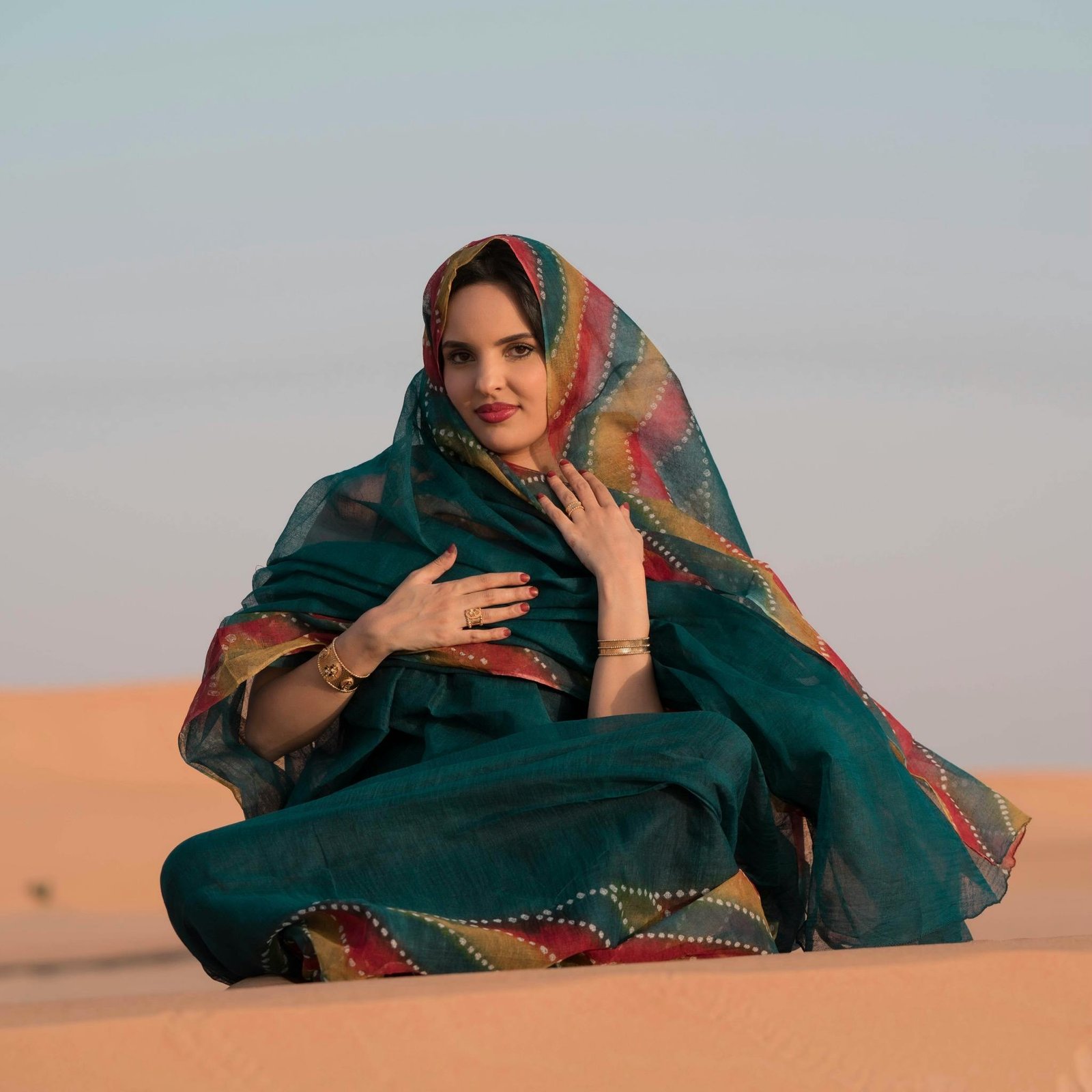
Moroccan Traditional Clothes
Traditional Moroccan clothes are famous around the world for their colors, elegant designs, detailed embroidery, and rich cultural history. Unlike in some countries where traditional dress is rarely w
The Ultimate Guide to Moroccan Traditional Clothes: History, Styles & Culture
When you think of Morocco, you may picture busy spice markets, grand palaces, colorful medinas, and endless Sahara Desert dunes. But one of the most beautiful parts of Moroccan culture is its traditional fashion.
Traditional Moroccan clothes are famous around the world for their colors, elegant designs, detailed embroidery, and rich cultural history. Unlike in some countries where traditional dress is rarely worn, many Moroccans still wear traditional clothing today. From the practical Djellaba worn in Moroccan cities to beautiful hand-embroidered Caftans worn at weddings and special celebrations, Moroccan clothing remains an important part of the country's identity and culture.
In this ultimate guide, you will learn about Moroccan traditional clothing, how it developed, the main styles worn by men and women, Sahrawi clothing from the desert, and why traditional Moroccan clothes remain popular today.
The History & Cultural Roots of Moroccan Fashion
Morocco has thousands of years of history and a rich cultural heritage. Over the centuries, its location between Africa, Europe, and the Middle East brought different cultures, traditions, and influences together.
The indigenous people of Morocco are the Amazigh (Berbers). Over time, Phoenicians, Romans, Arabs, Andalusian Muslims, Jews, and people from Sub-Saharan Africa also lived in Morocco and contributed to its cultural diversity. These different influences helped shape Moroccan clothing, fabrics, weaving, embroidery, and traditional designs.
The climate also played an important role in the development of traditional Moroccan clothing.
- In the cold and snowy Atlas Mountains, people needed warm clothing, often made from thick sheep's wool.
- In the hot and dry Sahara Desert, people needed loose, lightweight, and breathable clothing to stay comfortable and protect their skin from the sun and blowing sand.
For generations, traditional Moroccan clothing has remained an important part of everyday life and special occasions. During the French and Spanish colonial periods in the 20th century, Western-style clothing became more common, especially in offices and public institutions. However, traditional Moroccan clothes continued to be worn across the country.
Today, many younger Moroccans are also embracing their cultural heritage by wearing traditional garments with modern colors, fabrics, and designs.
Men’s Popular Traditional Dress in Morocco
Moroccan men's fashion combines modesty, comfort, practicality, and elegance. Here are some of the most famous traditional clothes worn by Moroccan men.
1. The Men’s Djellaba
The Djellaba (also spelled Djellabah) is one of the most recognizable pieces of traditional Moroccan clothing. It is a long, loose-fitting robe with long sleeves that usually reaches from the shoulders to the ankles.
Traditional Djellabas were often made from thick sheep's wool, making them warm and practical during cold winters, especially in the mountains. Today, men can also find lightweight Djellabas made from cotton, linen, and other modern fabrics for everyday wear.
One of the most distinctive features of the Moroccan Djellaba is its pointed hood, known as the Qob.
- Weather Protection: The Qob helps protect the wearer from rain, cold weather, strong sunlight, and desert conditions.
- Practical Design: The hood can also be folded backward and used in practical ways, making the Djellaba both comfortable and useful.
The Djellaba is worn by Moroccan men in cities, villages, and mountain areas. It can be simple for everyday use or beautifully designed for religious holidays and special occasions.
2. The Fez (Tarbush) & Balgha (Babouche Slippers)
For formal occasions, religious holidays, and other traditional events, Moroccan men may complete their outfit with classic accessories such as the Fez and Balgha.
- The Fez (Tarbush): A traditional brimless red felt hat, usually finished with a black tassel on top. It is one of the best-known symbols of Moroccan traditional dress.
- The Balgha (Babouche): Traditional leather slippers without a heel. They are available in different colors, including yellow, white, brown, and black. Soft leather Balghas are especially popular as traditional Moroccan footwear.
Together, these accessories add a classic and elegant touch to a traditional Moroccan outfit.
3. The Gandoura
The Gandoura is a loose and comfortable traditional garment commonly worn by Moroccan men, especially during warm weather. It usually has short sleeves, an open neckline, and a relaxed design that allows air to move easily around the body.
Made from lightweight materials such as cotton or linen, the Gandoura is ideal for hot summer days and relaxed occasions. It is also popular in southern Morocco and desert regions because of its comfortable and practical design.
4. Qandrissi Pants (Aladdin Trousers)
Qandrissi trousers are wide, loose-fitting pants with a low crotch. Their relaxed design makes them comfortable and practical, especially in warm climates.
These traditional trousers are often worn underneath long robes and other Moroccan traditional clothes. Their loose shape allows freedom of movement and helps keep the body comfortable in hot weather.
Qandrissi pants are especially associated with traditional and Sahrawi clothing, where loose and breathable garments are useful in the desert environment.
Women’s Fascinating & Elegant Dresses
Moroccan women's clothing is known around the world for its beauty, detailed embroidery, rich fabrics, and elegant designs. From everyday Djellabas to luxurious Caftans and traditional Takchitas, Moroccan women's fashion combines cultural heritage with beautiful craftsmanship.
| Garment Name | Description & Key Features | When Is It Worn? |
|---|---|---|
| Women’s Djellaba | Long, hooded outer dress available in bright colors, soft fabrics, and stylish embroidery. | Everyday wear (shopping, work, visiting family) |
| Moroccan Caftan | One-piece luxury dress made of silk, velvet, or lace, embellished with gold thread and sequins. | Formal parties, Eid holidays, and special events |
| Takchita | Two-piece luxury outfit consisting of a base dress (*Tahtiya*) and a sheer, embroidered over-layer (*Dfina*), held with a wide belt (*Mdamma*). | Weddings and grand traditional celebrations |
| The Haik | Traditional large white or cream cloth made of wool and silk that covers the body from head to toe. | Traditional conservative cities and cold regions |
1. The Women’s Djellaba: A Symbol of Female Independence
Decades ago, the Djellaba was mainly worn by men, and it was less common for women to wear it in public. During Morocco’s struggle for independence in the mid-20th century, more Moroccan women began wearing the Djellaba outside the home as they became more active in public and professional life.
Today, the women’s Djellaba is one of the most popular forms of traditional Moroccan clothing. It is practical, comfortable, versatile, and stylish. Women wear it for shopping, work, visiting family, walking through the medina, or running everyday errands. Modern women’s Djellabas come in soft pastel colors and often feature hand-stitched patterns such as Sfifa, along with detailed sleeve and neckline designs.
2. The Royal Moroccan Caftan
The Moroccan Caftan is one of the most famous forms of Moroccan traditional dress. Its history reflects the many cultural influences that have shaped Moroccan fashion over the centuries, including Andalusian and wider Mediterranean traditions.
Today, the Moroccan Caftan is a beautifully handcrafted one-piece dress often made from luxury fabrics such as silk, satin, or velvet. It can feature detailed embroidery, beads, sequins, and traditional decorative work. Moroccan designers continue to bring the Caftan into modern fashion while preserving its traditional style and craftsmanship.
The Caftan is especially popular for weddings, Eid celebrations, family events, and other important occasions.
3. The Takchita: The Ultimate Wedding Outfit
While the Moroccan Caftan is generally a one-piece dress, the Takchita is a glamorous two-piece traditional Moroccan outfit.
- The First Layer (Tahtiya): A simple and comfortable base dress worn underneath.
- The Second Layer (Dfina or Fouqia): A decorated outer layer worn over the first dress, often featuring detailed embroidery and elegant designs.
The Takchita is usually finished with a wide traditional belt called a Mdamma, which can be made from embroidered fabric, silver, gold, or other decorative materials.
The Takchita is especially popular at Moroccan weddings and major family celebrations, where women often choose custom-made designs that match their personal style.
4. The Haik
The Haik is a traditional Moroccan garment historically worn by women. It is a large piece of fabric, traditionally made from materials such as wool or silk, and wrapped around the body.
The Haik was traditionally associated with modesty and protection from the weather. Although it is less common in modern cities today, it remains an important part of Moroccan clothing history and cultural heritage and can still be seen in some regions and traditional communities.
Sahrawi Fashion: Clothing of the Sahara Desert
In the vast desert regions of southern Morocco, Sahrawi clothing is designed to suit the hot, dry climate and protect the body from strong sunlight, wind, and blowing sand.
Loose, lightweight garments are especially practical in the Sahara Desert. Traditional Sahrawi fashion includes distinctive robes, head coverings, and colorful fabrics that reflect the region's cultural heritage and desert lifestyle.
| Garment | Wearer | Purpose & Features |
|---|---|---|
| The Deraa | Sahrawi Men | Loose, side-open robe designed for maximum airflow in intense desert heat. Usually blue or white. |
| The Cheich (Tagelmoust) | Desert Men (Tuareg / Sahrawi) | Long indigo-dyed cotton turban wrapped around the head and face to block sand and sun. |
| The Melhfa | Sahrawi Women | Lightweight, colorful 4-meter fabric wrapped around the body and head for sun and wind protection. |
1. The Deraa (Men’s Desert Robe)
The Deraa is a loose and wide traditional robe designed to allow air to circulate around the body. It is especially suited to the hot desert climate. The Deraa is often seen in blue for everyday wear and in white for weddings and other formal occasions. Men may wear wide Qandrissi pants underneath the Deraa for extra comfort and freedom of movement.
2. The Cheich (Tagelmoust)
The Cheich is a long piece of lightweight cloth, often several meters in length, wrapped around the head and face by men in desert regions.
- Sand Protection: It helps protect the face and head from strong sunlight, wind, and blowing sand.
- Traditional Indigo: Cheich fabrics may be traditionally dyed with indigo, giving them their distinctive deep blue color.
- Cultural Identity: The style of wearing and wrapping the Cheich can reflect local traditions and regional identity.
3. The Melhfa (Women’s Desert Wrap)
Sahrawi women wear a traditional garment called the Melhfa. It is a single piece of lightweight, flowing fabric wrapped around the body and head.
The Melhfa is comfortable, modest, and practical for the hot desert climate. It also helps protect women from strong sunlight and desert winds. Traditional Melhfas can be found in different colors and patterns, while modern designs often use brighter colors and decorative fabrics.
Traditional Clothes in Modern Times
Traditional Moroccan clothing is much more than fabric. It is an important part of Moroccan culture and reflects the country's history, regional traditions, craftsmanship, and sense of identity.
Although Western-style clothing such as jeans and T-shirts is common in modern Morocco, Moroccan traditional clothes remain popular. In cities across the country, you can still see men wearing elegant Djellabas for Friday prayers and special occasions, while women wear beautiful Caftans and Takchitas for weddings and family celebrations.
For tourists visiting Morocco, buying a handmade Djellaba, a pair of traditional leather Balgha slippers, or a comfortable Gandoura from local artisans in the medina can be a memorable cultural experience. These traditional Moroccan clothes also make meaningful souvenirs to take home.
Frequently Asked Questions (FAQ)
What is the difference between a Caftan and a Takchita?
A Moroccan Caftan is generally a luxury one-piece dress worn for formal occasions and celebrations. A Takchita is a two-piece traditional Moroccan outfit consisting of a base dress and a decorated outer layer, usually finished with a wide traditional belt called a Mdamma.
Can foreign tourists wear traditional Moroccan clothes?
Yes. Visitors can wear traditional Moroccan clothes such as a Djellaba or Gandoura. Wearing local clothing can also be a respectful way to enjoy and experience Moroccan culture, especially when visiting traditional markets, villages, or cultural sites.
Why do Moroccan clothes have hoods?
The pointed hood on a Moroccan Djellaba, known as a Qob, helps protect the wearer from sun, rain, wind, and cold weather. Its practical design has made the Djellaba useful in different parts of Morocco, from the Atlas Mountains to desert regions.
Final Thoughts
From the warm wool Djellabas of the Atlas Mountains to the elegant Moroccan Caftans worn at weddings and celebrations, and the colorful Melhfas of the Sahara, traditional Moroccan clothing reflects the country's rich and diverse cultural heritage.
When youvisit Morocco, take time to explore an artisan tailor shop or traditional medina market. You can see handmade fabrics, detailed embroidery, traditional leatherwork, and beautiful Moroccan designs. Buying a Djellaba, Caftan, Gandoura, or pair of Balgha slippers is a wonderful way to experience Moroccan culture and take home a piece of its traditional craftsmanship.