What Is a Riad? Differences Between a Riad and a Hotel
Imagine walking through a narrow, sunlit alley in an ancient Moroccan city. The streets are full of energy—spices fill the air, local vendors call out, and motorbikes pass by. Then, you notice a simpl
What Is a Riad? The Complete Guide and Differences Between a Riad and a Hotel
Imagine walking through a narrow, sunlit alley in an ancient Moroccan city. The streets are full of energy—spices fill the air, local vendors call out, and motorbikes pass by. Then, you notice a simple, heavy wooden door set into an old mud-brick wall.
You open the door, and suddenly, the noise of the city disappears.
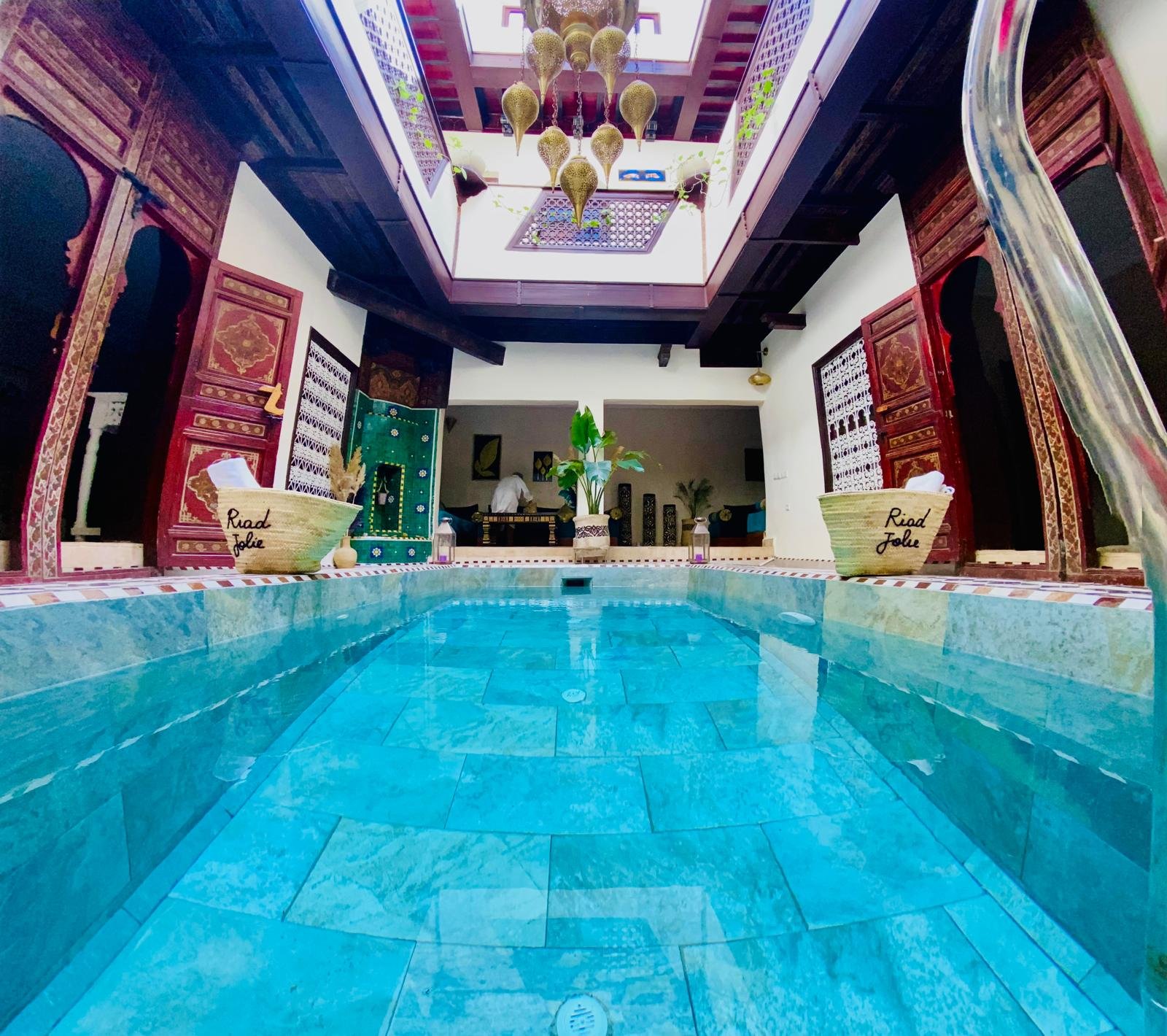
Inside, you find a cool and peaceful courtyard filled with singing birds, the gentle sound of flowing water, fragrant orange trees, and beautiful colorful mosaic tiles.
You have just entered a Moroccan riad.
If you are planning a trip to Morocco—whether to Marrakech, Fes, Essaouira, or Chefchaouen—you will often see the word riad when looking for accommodation. But what exactly is a riad? How is it different from a traditional hotel, and which one should you choose for your Morocco vacation?
In this complete guide, we will explain everything you need to know about Moroccan riads, how they compare with traditional hotels, and how to choose the right accommodation for your travel style.
What Is a Riad? Understanding the Traditional Moroccan House
The word riad (sometimes spelled riyad) comes from the Arabic word “ryad,” which means “garden.”
Traditionally, a riad is a multi-story Moroccan house or palace built around an open-air central courtyard or interior garden. Historically, wealthy families, merchants, and nobles lived in these beautiful residences. Today, many historic riads have been carefully restored and converted into charming boutique guesthouses and accommodations for travelers.
Key Architectural Features of a Riad
To truly understand what makes a Moroccan riad special, you need to look at its unique architecture:
- Inward-Facing Design (Al-Batin): Riads are designed around the Islamic concept of privacy and family life. From the outside street, a riad can look simple and private, often with few or no windows facing the alley. Instead, the windows, balconies, and rooms face inward toward the central courtyard.
- The Central Courtyard: The heart of a riad is its central courtyard. This area is usually open to the sky and may feature green plants, lemon or orange trees, and a central water fountain.
- Traditional Moroccan Craftsmanship: Riads are beautiful examples of Moroccan art and craftsmanship. Inside, you may find:
- Zellij: Intricate, hand-cut geometric Moroccan mosaic tilework.
- Tadelakt: A smooth, waterproof, lime-based plaster polished with olive-oil soap.
- Carved Plaster and Wood: Beautiful calligraphy and floral patterns carved into cedar wood and plaster ceilings.
- The Rooftop Terrace: Because the rooms face inward, the flat roof of the riad can become a peaceful private space. Rooftop terraces are often used for enjoying breakfast, relaxing in the sun, watching the sunset, or stargazing over the historic city skyline.
The Difference Between a Riad and a "Dar"
While searching for accommodation in Morocco, you might also see properties called "Dar" (such as Dar Darma or Dar Seffarine).
- A Riad traditionally has an interior garden or trees in the courtyard and is generally larger.
- A Dar means "house" in Arabic. It also has a central courtyard, but it is typically smaller and may have a tiled courtyard rather than a planted garden.
Today, the tourism industry often uses the term "riad" for many traditional Moroccan guesthouses. However, understanding the difference can give you a better insight into Moroccan culture and architecture.
Riad vs. Hotel: What Is the Difference?
While both riads and hotels provide a comfortable place to stay, the experience can be very different. A Moroccan riad offers a more traditional atmosphere, while a hotel often provides a more standard accommodation experience.
Here is a direct comparison across the most important categories:
Feature Moroccan Riad Modern Hotel / Resort Size & Capacity Small & intimate (4–10 rooms) Large (50–500+ rooms) Architecture Historic, inward-facing, open Modern, multi-story, enclosed Location Inside the historic Medina Modern city center or suburbs Atmosphere Peaceful, authentic, homely Commercial, busy, predictable Hospitality Personalized, family-style Professional, standardized Accessibility Walking alleys, stairs only Road access, elevators, ramps Facilities Plunge pool, rooftop terrace Large pools, gyms, spas, barsLet’s look at these differences in more detail:
1. Size and Intimacy
- Riad: A riad is usually small and intimate. Most riads have between 4 and 10 rooms, which means there are rarely more than 15 to 20 guests staying at the property at the same time. It feels less like a large business and more like staying in a wealthy friend’s private Moroccan home.
- Hotel: Traditional hotels and large resorts usually have dozens or even hundreds of rooms. You may share the lobby, elevators, and pool with large crowds, tour groups, and business travelers.
2. Location and Setting
- Riad: Riads are located mainly inside the Medina, the ancient and historic center of Moroccan cities such as Marrakech, Fes, and Meknes. These areas are often made up of narrow, pedestrian-only streets and winding alleys. Staying in a riad puts you close to the culture, history, and vibrant souks (markets) of Morocco.
- Hotel: Many modern hotels are located outside the old city walls in newer areas, such as Gueliz or Hivernage in Marrakech. They are usually built along wider streets with easy car access, modern shopping centers, and international-style restaurants.
3. Atmosphere and Vibe
- Riad: A riad offers a peaceful and quiet escape. After walking through busy markets and crowded streets, stepping into a riad can feel like entering a calm secret garden. The atmosphere is relaxed, peaceful, and often romantic.
- Hotel: A hotel usually has a more active and modern atmosphere. The focus is often on convenience, efficiency, and modern comfort rather than a traditional local experience.
4. Service and Moroccan Hospitality
- Riad: Hospitality in a riad is often personal and welcoming. The staff may be a small local team or a Moroccan family. They may welcome you with Moroccan mint tea and sweet pastries, help you find your way through the Medina, and prepare traditional home-style meals.
- Hotel: Hotel service is usually professional and more standardized. Staff are polite and helpful, but the experience can feel more formal, with less personal interaction than you may find in a smaller riad.
5. Amenities and Facilities
- Riad: Riads focus on traditional charm and Moroccan design rather than large modern facilities. You may find a small courtyard plunge pool, a cozy rooftop terrace, and traditional fireplaces. However, because many riads are located in historic buildings, most do not have elevators, large gyms, or large swimming pools.
- Hotel: Hotels often offer a wider range of modern facilities. Depending on the property, you may find large swimming pools, full-service fitness centers, several restaurants, elevators, and luggage services.
Pros and Cons of Staying in a Riad
To help you decide if a riad is right for your Morocco trip, here is an honest look at the main advantages and disadvantages:
The Pros:
- Authentic Cultural Experience: You can experience traditional Moroccan art, architecture, design, and hospitality.
- Incredible Photography: Natural light, colorful mosaic tiles, green plants, and Moroccan carpets make many riads beautiful places for photography.
- Fresh, Home-Cooked Food: Meals in a riad are often prepared with fresh local ingredients by a Moroccan cook (dada). You can enjoy traditional dishes such as tagines, couscous, and fresh Moroccan salads.
- Peace and Quiet: The thick exterior walls can help block street noise, making the central courtyard a peaceful place to relax.
The Cons:
- Acoustics and Noise Travel: Because the rooms face the open central courtyard, sound can travel easily. If other guests are talking loudly in the courtyard early in the morning, you may hear them.
- Accessibility Challenges: Because many riads are historic buildings, they can have steep stairs and no elevators. If you have mobility limitations or heavy luggage, this may be challenging.
- No Direct Car Access: Taxis and tour buses usually cannot drive through the narrow streets of the Medina. You may need to walk the last few minutes to reach your riad.
Pros and Cons of Staying in a Hotel
The Pros:
- Predictability and Consistency: If you book a standard international hotel, you generally know what to expect from the room layout, bed, and bathroom.
- Full Accessibility: Elevators, luggage ramps, and direct taxi drop-offs near the lobby can make travel easier.
- Extensive Facilities: Hotels can be a good choice for travelers who want a gym, business facilities, or large pool areas with sun loungers.
The Cons:
- Less Local Character: Modern hotel rooms can feel similar whether you are staying in Morocco, Spain, or the United States.
- Distance from Historic Sights: Depending on the location, you may need to take a taxi to visit the historic Medina, old palaces, or local markets.
- Impersonal Service: In a large hotel, you may be one of hundreds of guests, which can make the experience feel less personal.
Who Should Choose a Riad?
A riad can be a great choice for:
- Couples and Honeymooners: Travelers looking for romance, privacy, and beautiful surroundings.
- Culture Seekers: Travelers who want to experience Moroccan traditions, food, architecture, and local hospitality.
- Photographers and Creatives: Anyone who enjoys handmade designs, vibrant colors, traditional details, and unique spaces.
- Solo Travelers and Small Groups: Travelers who appreciate personalized advice, helpful staff, and a warm and welcoming atmosphere.
Who Should Choose a Standard Hotel?
A hotel can be a better choice for:
- Travelers with Limited Mobility: Those who need elevators, flat surfaces, and easy step-free access.
- Families with Strollers: Walking through narrow Medina streets and using steep riad stairs with a baby stroller can be tiring.
- Business Travelers: Those who need conference facilities, larger workspaces, and easy car access.
- Resort Lovers: Travelers who prefer spending the day relaxing beside a large pool with full resort services.
4 Practical Tips for Booking Your First Riad Stay
If you decide to book a riad in Morocco, keep these practical travel tips in mind:
- Book an Airport Transfer Through the Riad: Finding a riad inside the winding Medina can be difficult the first time. Ask your riad to arrange an airport transfer. The driver can meet you at the airport and coordinate with a riad staff member who will guide you directly to the property.
- Pack Light or Bring a Backpack: Since cars cannot usually enter the Medina, you may need to walk for 5–10 minutes with your luggage. Luggage porters with handcarts may be available for a small tip, but packing light can make your arrival much easier.
- Bring Earplugs: Because of the open-air design and hard tile surfaces, sound can echo inside a riad. If you are a light sleeper, a simple pair of earplugs can help you enjoy a peaceful night's rest.
- Order Dinner at Least One Night: Many riads use fresh ingredients from local markets. If you want to have dinner at your riad, let the staff know in advance so they have enough time to prepare a traditional Moroccan meal for you that evening.
The Best of Both Worlds: The "Split Stay" Strategy
Can't decide between the authentic charm of a riad and the luxury amenities of a modern hotel? You don't have to choose just one.
Many travelers use a "Split Stay" approach:
- Spend your first 3 nights in a traditional riad in the heart of the Medina to explore the sights, shop in the souks, and experience Moroccan culture.
- Spend your last 2 nights at a luxury resort hotel outside the city center to relax by the pool, enjoy the spa, and recharge before flying home.
Final Thoughts: The Soul of Moroccan Travel
A riad is much more than just a place to sleep—it is an important part of the Moroccan travel experience. Staying in a riad allows you to step into Morocco's traditional architecture, appreciate beautiful artisan craftsmanship, and experience the famous warmth of Moroccan hospitality.
While modern hotels offer convenience and a wide range of facilities, a riad offers a story, a memory, and a true sense of place. If you visit Morocco, spending at least a couple of nights in a traditional riad can become one of the most memorable parts of your trip.
Frequently Asked Questions About Riads in Morocco
What is a riad in Morocco?
A riad in Morocco is a traditional Moroccan house built around a central courtyard or garden. Many historic riads have been restored and turned into guesthouses or boutique accommodations for travelers.
What is the difference between a riad and a hotel?
The main difference is the experience. A Moroccan riad is usually smaller and more traditional, with a central courtyard, Moroccan architecture, and a more personal atmosphere. Hotels are generally larger and often offer more modern facilities and services.
Are riads safe in Morocco?
Yes, staying in a reputable riad can be a safe and comfortable experience. Before booking, check recent guest reviews, the location, and the services offered by the property.
Are riads expensive?
Riad prices can vary depending on the city, location, room, season, and level of service. You can find both affordable traditional riads and luxury riads in Morocco.
Do Moroccan riads have private bathrooms?
Many modern riads offer rooms with private bathrooms. However, facilities can vary between properties, so always check the room details before booking.
Do riads have air conditioning?
Many riads have air conditioning, especially those that regularly welcome international travelers. However, it is best to confirm this before booking, particularly if you are visiting Morocco during the warmer months.
Do riads have swimming pools?
Some riads have small courtyard or plunge pools, but not every riad has a swimming pool. If a pool is important to you, check the property's facilities before making your reservation.
Do riads have elevators?
Most traditional riads do not have elevators because they are historic buildings with narrow stairways. If you have mobility concerns or heavy luggage, check the property's accessibility before booking.
Where are the best riads in Morocco?
You can find riads in many Moroccan cities, especially Marrakech, Fes, Essaouira, and Chefchaouen. Staying in a riad inside or near the historic medina can give you a closer experience of traditional Moroccan culture.
Is a riad good for a first trip to Morocco?
Yes. Staying in a riad can be a great choice for a first Morocco trip if you want to experience traditional Moroccan architecture, local hospitality, and the atmosphere of the historic medinas.
What is the difference between a riad and a dar?
Traditionally, a riad is associated with a central garden or planted courtyard, while a dar means "house" in Arabic and usually has a central courtyard. Today, the terms are sometimes used interchangeably by tourism businesses.
Should I stay in a riad or a hotel in Morocco?
It depends on your travel style. A riad may suit travelers who want traditional Moroccan architecture, a quiet atmosphere, and a more personal experience. A hotel may be better for travelers who prefer larger facilities, elevators, easy car access, and modern amenities.