Morocco Travel Guide for Americans : Best Essential Tips
Planning a trip to Morocco from the USA? This Morocco travel guide for Americans will help you prepare for your vacation. Learn about visa requirements, safety, travel costs, the best time to visit, w
Morocco Travel Guide for Americans: Everything You Need to Know Before Visiting
Planning a trip to Morocco from the USA? This Morocco travel guide for Americans will help you prepare for your vacation. Learn about visa requirements, safety, travel costs, the best time to visit, what to wear, transportation, and the best places to see in Morocco.
Morocco is a North African country known for its historic cities, colorful markets, beautiful mountains, Atlantic beaches, and the Sahara Desert. You can explore the lively streets of Marrakech, walk through the blue alleys of Chefchaouen, discover the old medina of Fes, or spend a night in a desert camp near Merzouga.
If this is your first trip to Morocco, you probably have some questions. Is Morocco safe for Americans? Do US citizens need a visa? How much does a trip to Morocco cost? What should you wear?
Whether you are traveling as a couple, with your family, with friends, or booking a private Morocco tour, this guide covers the most important things to know before visiting.
1. Can Americans Travel to Morocco?
Yes. American citizens can travel to Morocco for tourism.
Morocco welcomes visitors from the United States and offers many experiences for travelers interested in history, culture, food, nature, and adventure.
The country has international airports, modern hotels, traditional riads, desert camps, and professional tour companies.
English is spoken in many hotels, restaurants, tour companies, and popular tourist areas, especially in Marrakech, Casablanca, Fes, and desert destinations.
Arabic and Amazigh are Morocco's official languages, while French is also widely used.
If you are visiting Morocco for the first time, traveling with a local guide or booking a private tour can make your trip easier. A local guide can help you understand the culture, visit important attractions, and explore places that may be difficult to find on your own.
2. Do Americans Need a Visa for Morocco?
One of the most common questions is: Do US citizens need a visa for Morocco?
US citizens generally do not need a tourist visa for stays of up to 90 days.
However, you need a valid US passport to enter Morocco.
Entry requirements can change, so always check the latest information from the US Department of State and the Moroccan authorities before your trip.
If you plan to stay in Morocco for more than 90 days, you will need to follow the appropriate Moroccan immigration procedures.
Travel tip: Keep a digital copy of your passport and important travel documents in a safe place in case the originals are lost or stolen.
3. Is Morocco Safe for American Tourists?
Morocco is a popular international tourist destination, and many Americans visit the country every year.
As with any international trip, you should take normal safety precautions and stay informed about local conditions.
Popular destinations such as Marrakech, Fes, Casablanca, Rabat, Chefchaouen, Essaouira, and Merzouga receive visitors from around the world.
Some common problems tourists may experience include pickpocketing, tourist scams, aggressive selling, and unofficial guides offering unwanted services.
To make your trip safer:
- Keep your passport, wallet, phone, and other valuables secure.
- Avoid walking alone in unfamiliar areas late at night.
- Use official taxis or transportation arranged by your hotel or tour company.
- Be careful when accepting help from strangers in busy tourist areas.
- Confirm the taxi fare or make sure the meter is being used.
- Book tours with reputable local companies.
- Respect Moroccan laws, customs, and traditions.
- Check the latest US travel advisory before departure.
Travel insurance that includes medical coverage is also recommended.
With good planning and normal precautions, Morocco can be an enjoyable destination for American travelers.
4. Best Time to Visit Morocco From the USA
Morocco can be visited throughout the year, but the best time to visit Morocco depends on the places you want to see and the activities you want to enjoy.
The country has several climates, from Atlantic beaches and mountain regions to historic cities and the Sahara Desert.
Spring: March to May
Spring is one of the best seasons to visit Morocco.
Temperatures are generally pleasant, making it a good time to explore Marrakech, Fes, Chefchaouen, the Atlas Mountains, and other destinations.
Spring is also a popular time for Sahara Desert tours.
Summer: June to August
Summer can be very hot in Marrakech, Fes, and the Sahara Desert.
Coastal destinations such as Essaouira and Agadir usually have more comfortable temperatures.
If you travel during summer, plan outdoor activities for the morning or later in the afternoon when possible.
Fall: September to November
Fall is another excellent season for visiting Morocco.
Temperatures become more comfortable after summer, making it easier to explore cities, mountains, and desert areas.
September, October, and November are popular months for private Morocco tours.
Winter: December to February
Winter brings cooler temperatures and fewer visitors to some destinations.
Coastal cities are generally milder, while the Atlas Mountains can receive snow.
Nights in the Sahara Desert can become cold, so bring warm clothes if you plan to visit Merzouga during winter.
Best overall time: April, May, September, and October are excellent months for many first-time visitors.
5. Best Places to Visit in Morocco for Americans
Morocco offers a great variety of places to visit.
You can explore ancient cities, mountain villages, Atlantic beaches, traditional markets, and the Sahara Desert during the same vacation.
Marrakech: The Red City
Marrakech is one of Morocco's most famous destinations.
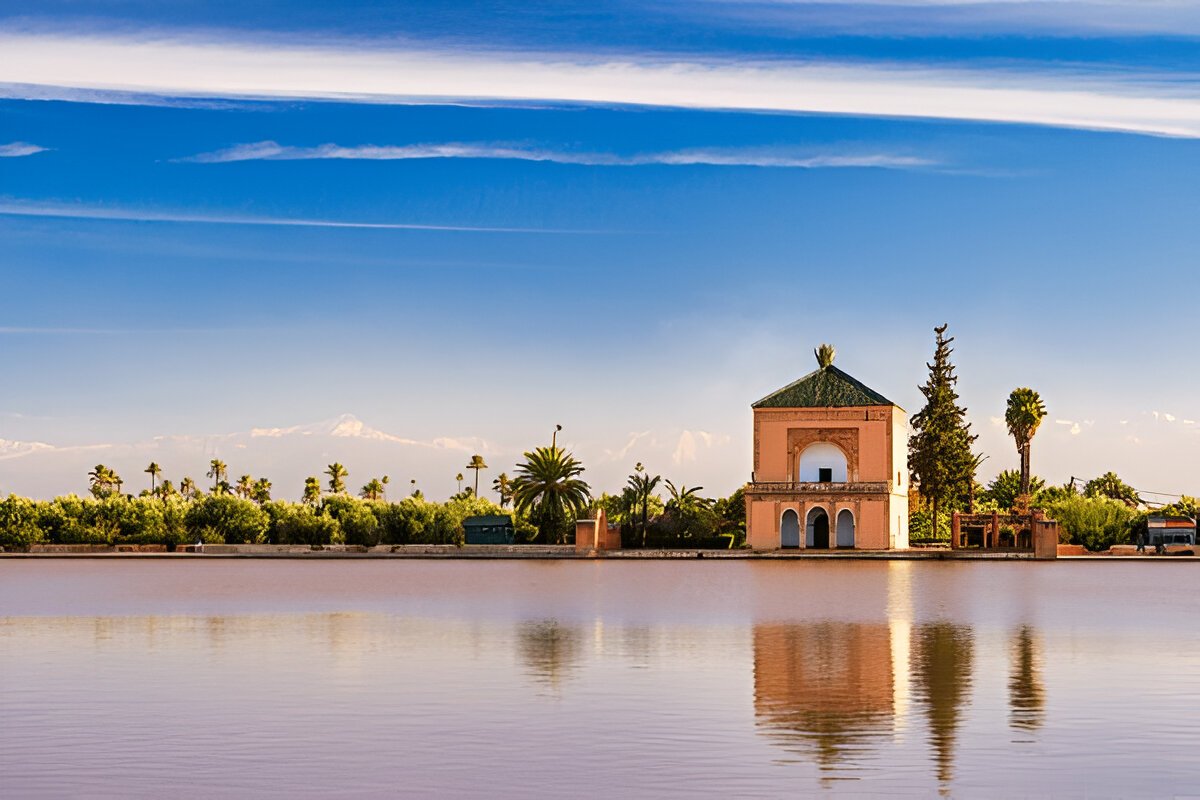
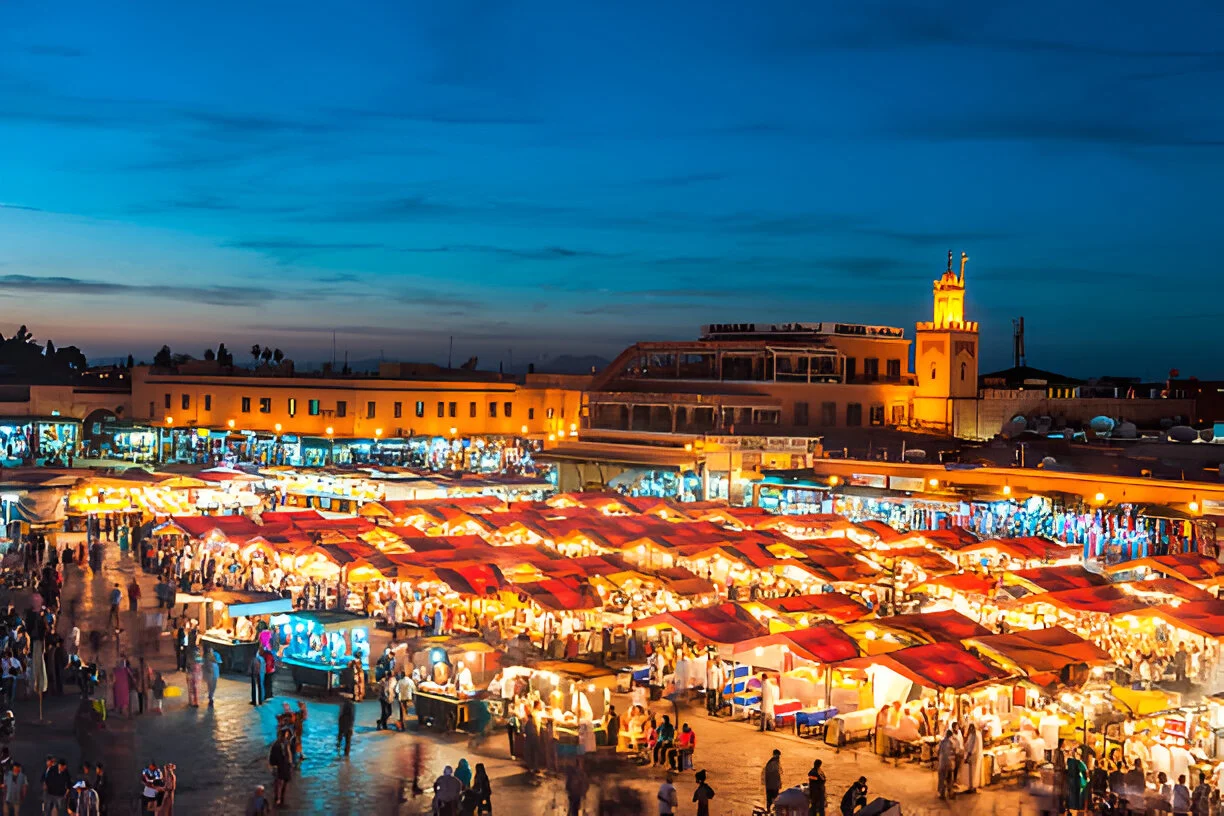
The city is known for its colorful souks, traditional riads, historic buildings, gardens, and lively atmosphere.
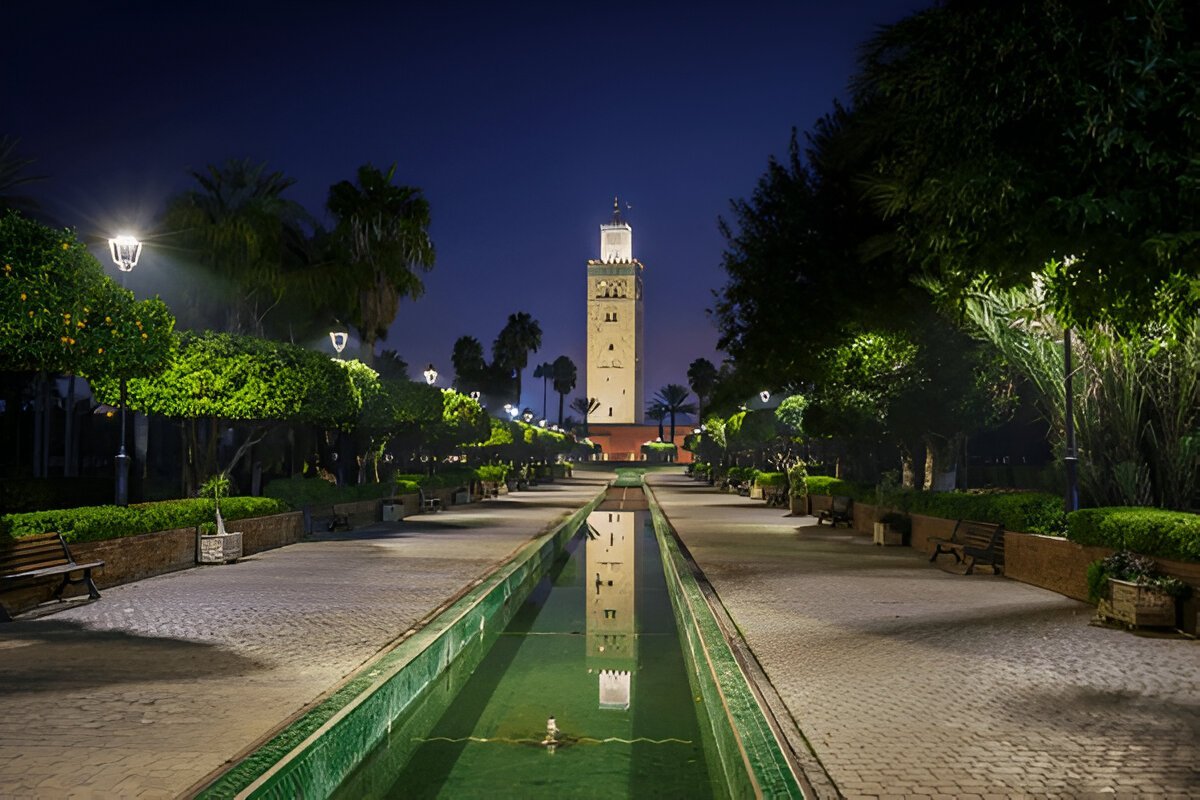
Popular places to visit include Jemaa el-Fnaa, Bahia Palace, Jardin Majorelle, and the Koutoubia Mosque.
You can also enjoy Moroccan food, shop for handmade products, and explore the old medina.
Marrakech is a popular starting point for trips to the Atlas Mountains and Sahara Desert.
Fes: Discover Morocco's History
Fes is one of Morocco's oldest and most important cultural cities.
Its historic medina is known for narrow streets, traditional crafts, markets, and beautiful Moroccan architecture.
Popular places include the Chouara Tanneries, historic madrasas, traditional souks, and the Al Quaraouiyine complex.
Fes is a good choice for travelers who want to learn more about Moroccan history and culture.
Chefchaouen: The Blue City
Chefchaouen is famous for its beautiful blue-painted streets.
Located in the Rif Mountains, the city has a relaxed atmosphere and is especially popular with photographers, couples, and first-time visitors.
You can walk through the medina, explore small local shops, relax in the main square, and enjoy views of the surrounding mountains.
Merzouga: Experience the Sahara Desert
For many travelers, visiting the Sahara is one of the highlights of a Morocco vacation.
Merzouga is located near the impressive Erg Chebbi sand dunes and is one of Morocco's most popular desert destinations.
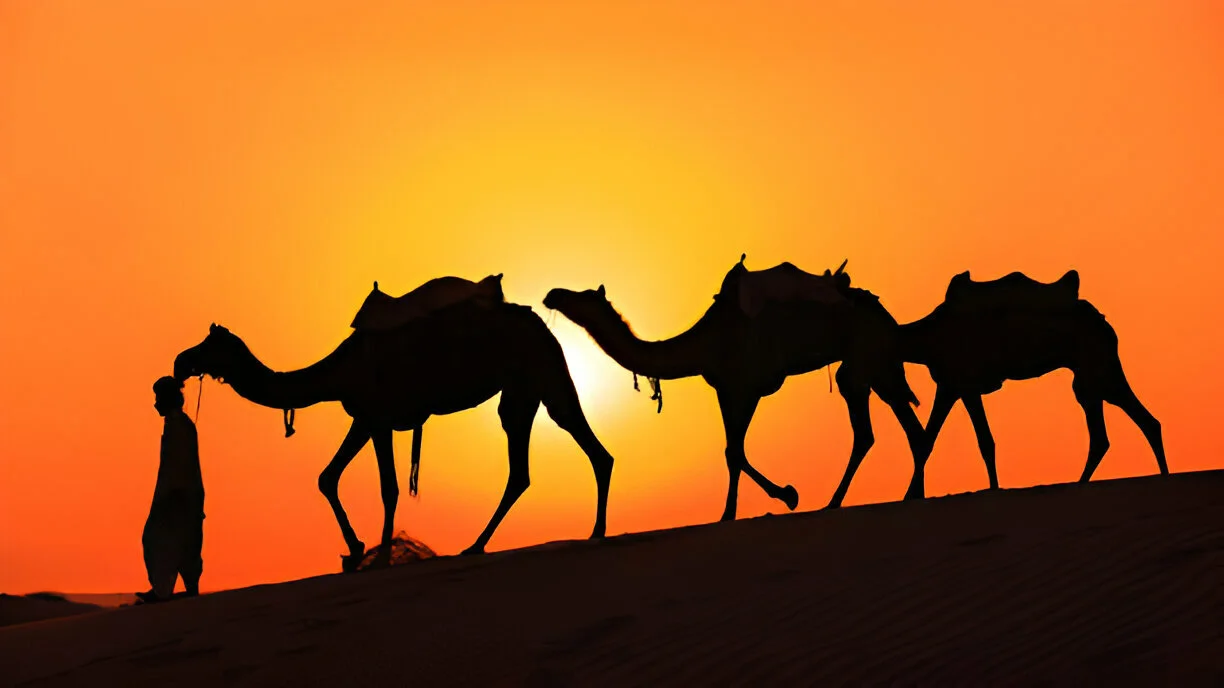
Visitors can enjoy a camel ride, watch the sunset over the dunes, explore the desert by 4×4, meet local communities, and spend a night in a traditional or luxury desert camp.
When the sky is clear, the Sahara is also a beautiful place for stargazing.
Casablanca: Morocco's Largest City
Casablanca is Morocco's largest city and an important economic center.
Its most famous attraction is the Hassan II Mosque, located beside the Atlantic Ocean.
Visitors can also explore the Corniche, restaurants, shopping areas, and modern neighborhoods.
Many travelers begin or finish their Morocco vacation in Casablanca because of Mohammed V International Airport.
Essaouira: A Relaxing Coastal Escape
Essaouira is a beautiful Atlantic coastal city known for its relaxed atmosphere, historic medina, fishing port, and seafood.
It is a popular destination for travelers who want a quieter break after visiting busy Marrakech.
You can walk along the historic walls, explore art galleries and local shops, visit the port, and enjoy views of the Atlantic Ocean.
6. How Much Does a Trip to Morocco Cost for Americans?
Morocco can offer good value compared with many popular international destinations, but the total cost of your vacation depends on your travel style.
Accommodation, transportation, activities, restaurants, guides, and the season can all affect the final price.
Here are general daily budget estimates per person, excluding international flights:
| Travel Style | Estimated Daily Budget |
|---|---|
| Budget Travel | $45–$75 per person |
| Mid-Range Travel | $90–$160 per person |
| Comfortable Private Travel | $180–$300 per person |
| Luxury Travel | $350+ per person |
These are general planning estimates, not fixed prices. Your costs may be higher during busy travel periods or if you choose luxury hotels, private transportation, and luxury desert camps.
How Much Is a 10-Day Morocco Vacation?
Here is a simple estimate for a 10-day Morocco trip:
| Travel Style | Estimated 10-Day Budget |
|---|---|
| Budget Vacation | $450–$750 per person |
| Mid-Range Vacation | $900–$1,600 per person |
| Comfortable Private Vacation | $1,800–$3,000 per person |
| Luxury Vacation | $3,500+ per person |
International flights, travel insurance, shopping, drinks, tips, and some activities may cost extra.
A private Morocco tour can make planning easier because transportation, accommodations, local guides, and selected activities may be included in one package.
Always check exactly what is included before booking.
7. Flights From the USA to Morocco
Travelers from the United States can enter Morocco through several international airports.
Important airports include:
- Casablanca Mohammed V International Airport (CMN)
- Marrakech Menara Airport (RAK)
- Rabat-Salé Airport (RBA)
- Fes-Saïss Airport (FEZ)
- Agadir Al Massira Airport (AGA)
Nonstop and connecting flight options depend on your departure city, airline, and travel dates.
Many travelers also reach Morocco by connecting through European cities such as Madrid, Paris, Lisbon, or London.
Flight prices can change significantly depending on the season and how early you book.
Compare different travel dates and airports before choosing your flight.
8. What Should Americans Wear in Morocco?
Morocco is a Muslim-majority country with both traditional and modern lifestyles.
Tourists do not generally need to wear traditional Moroccan clothing, but respectful clothing is appreciated.
In large cities and tourist destinations, you will see many different clothing styles.
For sightseeing, comfortable and modest clothes are a practical choice.
Women may prefer loose pants, long skirts, dresses, or tops that cover the shoulders.
Men can comfortably wear jeans, pants, T-shirts, shirts, and walking shoes.
Shorts are common in tourist areas, but more modest clothing can be more comfortable when visiting traditional neighborhoods, villages, and religious or cultural sites.
For the Sahara Desert, bring comfortable shoes, sunglasses, sunscreen, and layers for changing temperatures.
During winter, bring warmer clothing for mountain areas and cold desert nights.
Travel tip: Comfortable walking shoes are very important because many old medinas have narrow and uneven streets.
9. Moroccan Food Americans Should Try
Trying Moroccan food is an important part of the travel experience.
Moroccan cuisine uses vegetables, meat, herbs, spices, dried fruits, and traditional cooking methods.
Here are some popular foods to try.
Tagine
Tagine is one of Morocco's most famous dishes.
It is slowly cooked and can include chicken, beef, lamb, fish, or vegetables.
Popular versions include chicken with preserved lemon and olives and meat with prunes.
Couscous
Couscous is a traditional Moroccan dish commonly served with vegetables and meat.
Many Moroccan families traditionally eat couscous on Fridays.
Harira
Harira is a traditional soup often prepared with tomatoes, lentils, chickpeas, herbs, and spices.
It is especially popular during Ramadan.
Pastilla
Pastilla is a Moroccan pastry that combines sweet and savory flavors.
Different versions are available, and traditional recipes may include poultry, almonds, cinnamon, and powdered sugar.
Moroccan Mint Tea
Mint tea is an important part of Moroccan hospitality.
It is commonly served in homes, riads, hotels, cafés, and restaurants.
Trying traditional dishes is one of the easiest ways to experience Moroccan culture during your trip.
10. Money and Currency in Morocco
The local currency is the Moroccan dirham (MAD).
US dollars are not normally used for everyday purchases, so travelers should have Moroccan dirhams.
You can exchange money at authorized exchange offices, banks, and some airports.
ATMs are widely available in major cities and tourist destinations.
Credit and debit cards are accepted by many hotels, larger restaurants, and modern stores. However, cash remains useful for taxis, traditional markets, small restaurants, cafés, tips, and purchases in rural areas.
Check your bank's international withdrawal and foreign transaction fees before traveling.
Carrying some small bills is also useful for everyday purchases.
11. Transportation in Morocco: How to Get Around
Morocco offers several ways to travel between cities and tourist destinations.
Trains
Morocco has a railway network connecting major destinations including Casablanca, Rabat, Fes, Marrakech, and Tangier.
The Al Boraq high-speed train connects Tangier with Kenitra, Rabat, and Casablanca.
Train travel can be a comfortable option when traveling between major cities served by the railway network.
Taxis
Taxis are available throughout Morocco.
Small taxis, known as petit taxis, normally operate within cities.
Larger grand taxis are used for longer journeys and shared transportation.
Ask about the fare or meter before beginning your trip.
Private Drivers
Hiring a private driver is a convenient choice for travelers who want more comfort and flexibility.
A private vehicle allows you to travel between cities, stop at attractions along the way, and explore areas that are difficult to reach by train.
Private transportation is particularly useful for trips through the Atlas Mountains and journeys to the Sahara Desert.
12. Should Americans Book Private Morocco Tours?
Many travelers choose private Morocco tours because they provide flexibility, comfort, and a more personalized experience.
Unlike a fixed group tour, a private trip allows you to travel at your own pace and adjust the itinerary according to your interests.
Depending on the package, a private Morocco tour may include:
- Airport pickup and drop-off
- Private air-conditioned transportation
- Professional driver
- Hotels or traditional riads
- Local city guides
- Sahara Desert activities
- Camel rides
- Desert camp accommodation
- Selected breakfasts and dinners
A private tour can be especially useful for first-time visitors because you do not have to organize all the transportation between cities yourself.
Private trips are also popular with couples, families, senior travelers, friends, and small groups.
Before booking, read recent reviews, compare itineraries, and check exactly what is included and excluded.
13. Best 10-Day Morocco Itinerary for Americans
If you are visiting Morocco for the first time, 10 days gives you enough time to see several of the country's most famous destinations.
Day 1: Arrival in Casablanca
Arrive at Mohammed V International Airport in Casablanca. Meet your driver and transfer to your hotel.
Depending on your arrival time, you can relax or begin exploring the city.
Day 2: Casablanca – Rabat – Chefchaouen
Visit some of Casablanca's highlights before traveling to Rabat, Morocco's capital.
Continue through northern Morocco to Chefchaouen, the famous Blue City.
Day 3: Explore Chefchaouen
Spend the day exploring Chefchaouen.
Walk through its blue streets, visit the traditional medina, explore local shops, and enjoy the mountain atmosphere.
Day 4: Chefchaouen to Fes
Leave Chefchaouen and travel toward Fes.
You can make an optional stop at the Roman ruins of Volubilis before continuing to Fes.
Day 5: Fes Guided Tour
Explore Fes with a local guide.
Discover the historic medina, traditional tanneries, markets, old madrasas, local crafts, and beautiful Moroccan architecture.
Day 6: Fes to Merzouga Desert
Leave Fes and travel south through the Middle Atlas Mountains.
Pass mountain landscapes and towns before reaching Merzouga near the Erg Chebbi dunes.
Enjoy your first views of the Sahara Desert.
Day 7: Merzouga to Dades Valley
Wake up early to enjoy the desert sunrise.
Leave Merzouga and travel toward the Todra Gorge before continuing to the Dades Valley.
Spend the night in the valley.
Day 8: Dades Valley to Marrakech
Travel through southern Morocco toward Ouarzazate and Ait Ben Haddou.
Visit the famous fortified village before crossing the High Atlas Mountains and continuing to Marrakech.
Day 9: Marrakech Guided City Tour
Explore Marrakech with a local guide.
Popular attractions include Bahia Palace, the Koutoubia area, Jemaa el-Fnaa, traditional souks, and other historic places in the medina.
Day 10: Departure From Marrakech
Transfer to Marrakech Menara Airport for your return flight or continue your Morocco vacation.
Important: This itinerary includes several long driving days. If you prefer a slower trip with more free time, consider spending 12 to 14 days in Morocco.
14. Important Cultural Tips for Americans Visiting Morocco
Understanding a few local customs can make your trip easier and more enjoyable.
Moroccan hospitality is an important part of the country's culture, but some customs may be different from what you are used to in the United States.
Keep these simple tips in mind:
- Greet people politely before asking questions.
- Ask permission before taking close photos of local people.
- Dress respectfully, especially in traditional neighborhoods and rural areas.
- Avoid photographing police, military personnel, and sensitive government locations.
- Respect religious customs and places of worship.
- Bargaining is common in traditional souks.
- Tipping is appreciated for good service.
- Keep public displays of affection modest.
- During Ramadan, opening hours for some restaurants and businesses may change.
Learning a few local words can also make your experience more enjoyable.
For example, “Shukran” means “thank you” in Arabic.
15. Do Americans Need Travel Insurance for Morocco?
Travel insurance is recommended when visiting Morocco.
Medical care and facilities vary depending on your location, and some private medical facilities may require payment for treatment.
A good travel insurance policy may help with unexpected medical expenses, trip cancellations, lost baggage, delays, and other emergencies.
If you plan to go hiking, quad biking, or take part in other adventure activities, check whether your insurance policy covers those activities.
Medical evacuation coverage may also be useful if your itinerary includes remote mountain or desert areas.
Read your policy carefully before traveling and keep your insurance information with you during your trip.
Frequently Asked Questions About Morocco Travel for Americans
Is Morocco safe for Americans?
Many Americans travel to Morocco every year. As with other international destinations, visitors should use normal precautions, be aware of petty theft and scams, and check current travel advice before departure.
Do US citizens need a visa for Morocco?
US citizens generally do not need a tourist visa for stays of up to 90 days. Travelers need a valid passport and should check current entry requirements before traveling.
Is Morocco expensive for American tourists?
Morocco can suit different travel budgets. Your total cost depends on your hotels, transportation, restaurants, activities, travel season, and whether you choose a private or group tour.
Can Americans drink alcohol in Morocco?
Alcohol is available at some licensed hotels, restaurants, bars, and shops. Travelers should follow Moroccan laws and respect local customs.
Do people speak English in Morocco?
English is spoken in many tourist areas, hotels, restaurants, and tour businesses. Arabic and Amazigh are the official languages, and French is also widely used.
How many days should Americans spend in Morocco?
For a first trip, 10 to 14 days is a good amount of time to explore several cities, experience Moroccan culture, and include a visit to the Sahara Desert.
If you have less time, a 7-day itinerary can still cover some of the country's main highlights.
Can Americans use US dollars in Morocco?
US dollars are not commonly used for everyday purchases. Morocco uses the Moroccan dirham (MAD), and it is useful to carry cash for smaller purchases.
Is Morocco good for American families?
Yes. Morocco offers many family-friendly experiences, including gardens, historic cities, beaches, cultural activities, camel rides, and desert trips.
Families should choose comfortable transportation and accommodation that suits the ages and needs of their children.
Final Thoughts: Plan Your Morocco Vacation From the USA
Morocco offers American travelers a mix of culture, history, beautiful landscapes, traditional food, and outdoor adventure.
You can explore the colorful markets of Marrakech, walk through the historic streets of Fes, photograph the blue alleys of Chefchaouen, cross the Atlas Mountains, and watch the sunset over the Sahara dunes.
Good planning can make your first trip to Morocco much easier.
Before traveling, check the latest entry requirements, choose the right season for your itinerary, prepare a realistic budget, and learn a little about Moroccan customs.
You can explore Morocco independently or choose a private Morocco tour if you prefer to have transportation, accommodations, guides, and activities arranged for you.
A well-planned private trip can also be customized around your arrival airport, travel dates, interests, budget, and the places you want to visit.
Whether you have 7 days, 10 days, or two weeks, Morocco offers many ways to create a memorable trip from the United States.