Is Morocco Safe for Black Americans?
The short answer is yes: Morocco is generally safe for Black Americans. Violent crime against tourists is relatively uncommon, and Moroccan culture is well known for its hospitality and respect for gu
Is Morocco Safe for Black Americans? A Real-World Travel Guide
Morocco is one of the most visually stunning and culturally rich destinations in the world. From the winding alleys of the Marrakech Medina to the vast sand dunes of the Sahara Desert, millions of international travelers visit Morocco every year.
However, for Black American travelers, planning a trip can come with an extra layer of questions:
- How will I be treated as a Black person in North Africa?
- Is there anti-Black racism or colorism?
- Will I be welcomed, stared at, or targeted?
- Is Morocco genuinely safe for solo Black travelers and Black women?
The short answer is yes: Morocco is generally safe for Black Americans. Violent crime against tourists is relatively uncommon, and Moroccan culture is well known for its hospitality and respect for guests.
However, race, nationality, and perception in Morocco can be complex. To help you travel with confidence, this comprehensive guide looks at the realities of race in Morocco, personal safety, cultural differences, and practical tips specifically for Black travelers.
1. Understanding Race and Skin Tone in Morocco
To understand your experience as a Black person in Morocco, it helps to understand the country's own diverse population.
Morocco is not a monolithic white or Arab society. It is an African country located at the crossroads of Africa, Europe, and the Middle East. Moroccans have a wide range of appearances, from very fair skin and light eyes to deep brown and Black skin.
Key cultural and ethnic groups include:
- Amazigh (Berbers): The indigenous people of North Africa, with diverse physical characteristics across different regions, from the Atlas Mountains to the Sahara.
- Arabs: Communities whose historical presence in Morocco dates back centuries and who have blended with local populations over time.
- Gnawa & Saharan Peoples: Communities with historical connections to West and Central Africa, known for their distinctive heritage, spiritual traditions, and world-famous Gnawa music.
- Sub-Saharan Migrants: In recent decades, Morocco has become a transit and destination country for migrants, students, and workers from West and Central African countries such as Senegal, Côte d'Ivoire, and Mali.
Because of this diversity, seeing people with dark skin is not unusual in Morocco. However, how you are perceived can depend on the combination of your skin tone, language, and nationality.
2. Being Black vs. Being American: The Nationality Factor
One important factor for Black Americans to understand is the difference between being perceived as a Black traveler and being perceived as an American tourist.
In Morocco, there can be a distinction between how locals interact with sub-Saharan African migrants and how they interact with Western tourists, including Black Americans:
- The Migrant Context: Sub-Saharan migrants traveling or living in Morocco can face economic hardship, social marginalization, and discrimination related to race, nationality, and immigration status.
- The Black American Context: When Moroccans hear your American accent, learn that you are American, or recognize you as a Western tourist, they may see you primarily as an American guest or tourist.
American culture—especially Black American music, hip-hop, basketball, and entertainment—is popular among many Moroccan young people. You may therefore receive friendly greetings, pop-culture references, and genuine curiosity.
3. What to Expect: Common Interactions on the Ground
Here is a breakdown of some interactions Black American travelers may experience during their trip:
A. The "Welcome Home" & "My Brother/Sister" Greeting
Because Morocco is located in Africa, some locals may enthusiastically greet Black travelers with phrases such as:
- "Welcome to Africa!"
- "Welcome home, brother!"
- "One love, Africa!"
Some travelers may find this deeply touching, while others may see it as a friendly sales approach from market vendors. In many cases, it is simply a warm and friendly way to start a conversation.
B. Pop-Culture References
Moroccan shopkeepers often try to find common ground with visitors. Do not be surprised if vendors mention famous Black figures as you walk by:
- "Michael Jordan!"
- "Kobe Bryant!"
- "Will Smith!"
- "Barack Obama!"
- "Bob Marley!"
In a Western context, this might feel like stereotyping. In Morocco, it is often intended as an enthusiastic and informal way to start a conversation or make a connection.
C. Staring and Curiosity
You may notice people looking at you, particularly outside major tourist destinations such as Marrakech and Casablanca.
In Moroccan culture, prolonged eye contact or looking at passersby does not always have the same confrontational meaning it can have in some American cities. Many stares come from simple curiosity, especially if you have distinctive hairstyles such as long locs, braids, afros, or visible tattoos.
D. Equal-Opportunity Market Hustling
Morocco's souks and traditional markets are known for persistent vendors, shopkeepers, and unofficial guides.
It is important to remember: touts and shopkeepers approach many tourists, regardless of race. If someone follows you while offering directions or asks you to enter their carpet shop, the motivation is often commercial rather than related to your race.
4. Is Morocco Safe for Black Women?
Morocco is generally considered a safe destination for women, but street culture can require preparation and confidence.
Street Attention and Catcalling
Street harassment, including verbal comments, whistling, or unwanted compliments such as "Gazelle" or "Beautiful," can occur in Moroccan cities and may affect women of different backgrounds, including local Moroccan women and international tourists.
- Physical danger is uncommon, but persistent verbal attention can be tiring.
- Black women wearing braids, bold headwraps, or distinctive hairstyles may receive additional compliments and attention.
Tips for Black Women Traveling in Morocco:
- Dress for Cultural Comfort: Morocco does not generally require tourists to follow a specific dress code, but covering your shoulders, cleavage, and knees can help you blend into the local culture and may reduce unwanted attention.
- Wear Sunglasses and Earphones: Sunglasses can make it easier to avoid eye contact with persistent market vendors without feeling that you are being rude.
- Master the Confident Walk: Walk with purpose. If someone continues to bother you, a firm "La, Shukran" (No, thank you) while continuing to walk can be effective.
- Use Registered Taxis & Transport: Avoid walking alone late at night through dark or poorly lit alleys inside ancient medinas. Stay on main, well-lit streets whenever possible.
5. Violent Crime vs. Petty Crime: The Actual Safety Numbers
Morocco is generally regarded as one of the safer destinations in North Africa. Tourism is extremely important to the Moroccan economy, and visitors will often notice a visible security presence in major tourist areas.
1. Violent Crime (Extremely Low)
Violent attacks, gun violence, and armed robberies involving tourists are relatively uncommon compared with many major metropolitan areas in the United States. Moroccan laws are strict, and police maintain a visible presence in many tourist areas, including the Brigade Touristique.
2. Petty Crime & Scams (Moderate to High)
The main safety concerns for travelers in Morocco tend to involve non-violent theft, scams, and tourist-related problems:
- Pickpocketing: Can occur in crowded places such as Marrakech's Jemaa el-Fnaa square and busy transportation areas.
- Fake Guides (Faux Guides): Unlicensed individuals may offer to show you around and later demand money or take you to shops where they receive a commission.
- Overcharging Taxis: Some drivers may refuse to use the taximeter (compteur), especially when dealing with visitors.
6. Practical Safety Tips for Black Americans Visiting Morocco
To help ensure a smooth and enjoyable trip, keep these practical travel tips in mind:
1. Learn a Few Local Words
Moroccans often appreciate visitors who make an effort to use the local language, whether Darija (Moroccan Arabic) or French:
- Salam Alaykum: Hello / Peace be upon you.
- Shukran: Thank you.
- La, Shukran: No, thank you (useful when dealing with persistent vendors).
- Afak: Please.
- Bslama: Goodbye.
2. Handle Street Touts with Calm Confidence
If someone tells you that an alley is "fermé" (closed) or offers you unsolicited directions, do not stop unless you need their help. Politely say "La, Shukran" and continue walking.
Download offline maps through Google Maps or Maps.me so you can navigate more easily without needing to ask strangers for directions.
3. Hair Care & Beauty Considerations
- Pack your preferred hair products, moisturizers, and edge control, as some American Black hair products can be difficult to find in local Moroccan stores.
- Argan oil is native to Morocco and widely available. If you want authentic argan oil, consider buying it from a reputable or certified women's cooperative.
4. Bargaining Is Normal, Not Personal
In Moroccan souks, the first asking price for an item can sometimes be higher than the price the merchant expects to receive. Bargaining is a normal part of shopping and is not meant to be insulting.
Keep the conversation friendly, smile, and never agree to a price that you are not comfortable paying.
5. Keep Your Passport & Valuables Secure
Use a cross-body bag with a zipper, keep your phone in a secure pocket when visiting crowded areas, and consider leaving your physical passport in the safe at your riad or hotel when you do not need it.
Keep a secure digital copy of your passport on your phone as a backup.
7. Emergency Contacts and Useful Numbers in Morocco
Save these important numbers on your phone before you arrive in Morocco:
- Police (Urban Areas): 19
- Gendarmerie Royale (Rural Areas / Highways): 177
- Ambulance / Fire Department: 15
- US Embassy in Rabat: +212 537 637 200
- US Consulate General in Casablanca: +212 522 642 000
Final Verdict: Should Black Americans Visit Morocco?
Absolutely.
Morocco offers an unforgettable travel experience filled with beautiful Islamic and Moorish architecture, delicious food, rich history, and famous Moroccan hospitality.
While you may experience street vendors, persistent sales approaches, and occasional curious looks—just as many travelers do in busy tourist areas—you can still enjoy a safe and rewarding trip with normal travel awareness and preparation.
Many Black American travelers visit Morocco and appreciate the country's culture, hospitality, and unique travel experiences.
Pack your bags, stay aware of your surroundings, travel with confidence, and get ready to discover one of the most vibrant destinations in North Africa.
Frequently Asked Questions About Morocco Safety for Black Americans
Is Morocco safe for Black Americans?
Yes, Morocco is generally a safe destination for Black American travelers. Most visitors enjoy a welcoming travel experience. However, you may encounter curious looks, persistent vendors, or occasional discrimination, so it is important to stay aware of your surroundings.
Do Black Americans experience racism in Morocco?
Experiences can vary. Morocco has a diverse population, but anti-Black racism and colorism do exist. Some Black travelers may experience stereotypes or discrimination, while others report friendly interactions and positive experiences. Your nationality, language, and location may also influence how people treat you.
Are Black women safe traveling alone in Morocco?
Many Black women travel safely in Morocco. However, street harassment and unwanted attention can occur. Dressing comfortably for the local culture, staying in well-reviewed accommodations, and using reliable transportation can help make your trip more comfortable.
Will Moroccan people treat me differently because I am Black?
Some people may be curious about your appearance, hairstyle, or nationality. Others may welcome you warmly or recognize your connection to American culture. Experiences differ from person to person, and not every interaction will be the same.
Is Morocco safe for solo Black travelers?
Morocco can be a safe destination for solo Black travelers. Popular cities such as Marrakech, Fes, Casablanca, and Chefchaouen welcome visitors from around the world. Stay alert in crowded areas, avoid unofficial guides, and choose reliable transportation.
Are Black hair products easy to find in Morocco?
Some Black hair products, including American brands, may be difficult to find outside larger cities. If you have specific hair-care needs, it is a good idea to bring your preferred products with you.
Do Black Americans need to worry about being stared at in Morocco?
You may experience curious looks, especially if you have distinctive hairstyles, tattoos, or clothing. In many cases, this is simply curiosity rather than hostility. If you feel uncomfortable, you can politely ignore the attention and continue walking.
Is Morocco safe for Black American families?
Morocco is a popular destination for families, including families from the United States. With suitable accommodation, reliable transportation, and normal travel precautions, families can enjoy Morocco's culture, historic cities, and desert landscapes.
What should Black Americans know before visiting Morocco?
Black American travelers should be prepared for cultural differences, street vendors, bargaining, and possible curiosity about their appearance or nationality. Learning a few words of Moroccan Arabic, carrying secure belongings, and booking reliable services can help create a smoother travel experience.
Can Black Americans enjoy a Morocco desert tour?
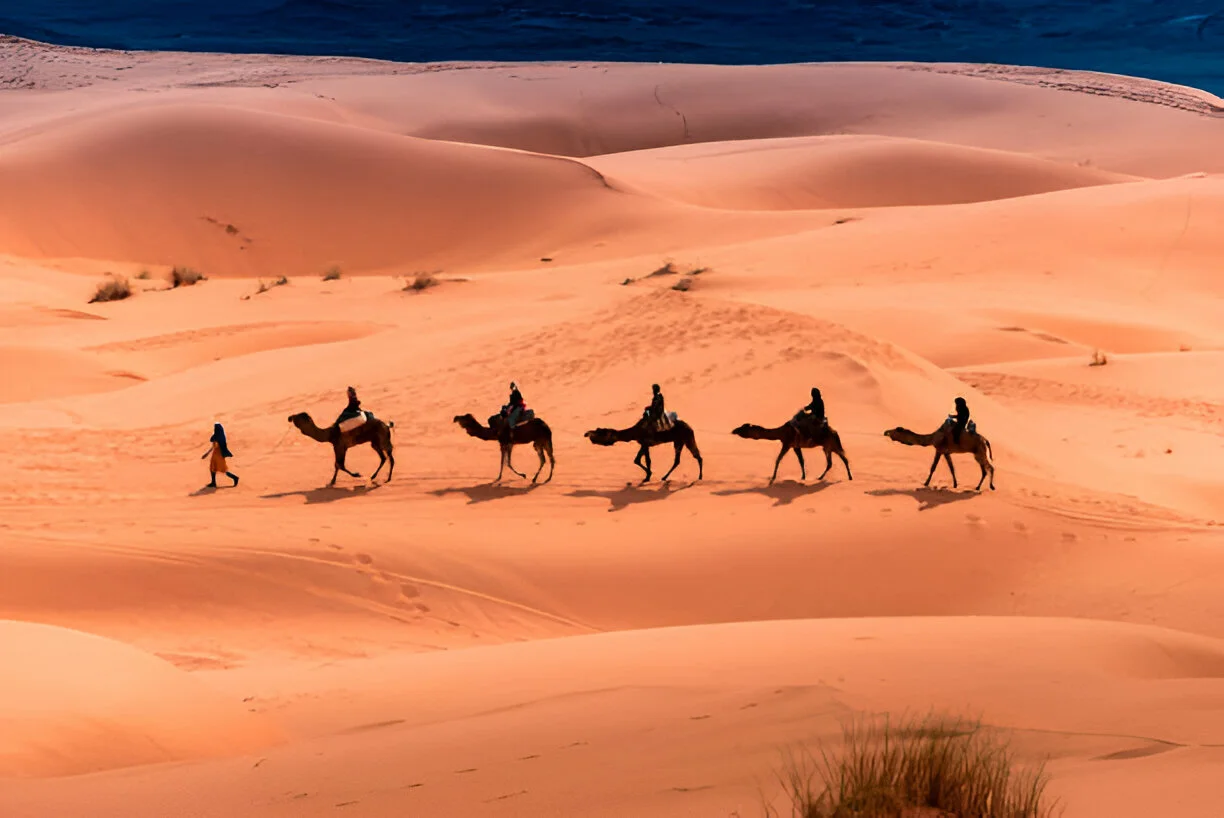
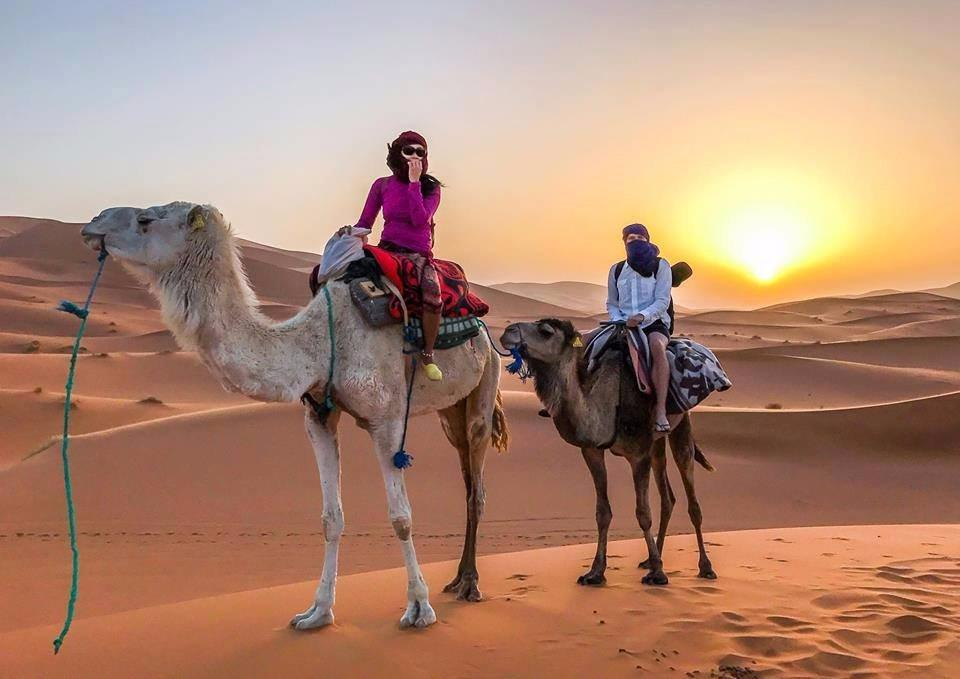
Yes, Black Americans can enjoy a Morocco desert tour and explore destinations such as Merzouga, Erg Chebbi, and the Sahara Desert. A private tour with a reliable local travel company can make it easier to organize transportation, accommodation, and desert activities.