Moroccan Wedding Traditions
Moroccan Wedding Traditions: A Celebration of Culture, Family, and Joy
Moroccan weddings are among the most colorful and meaningful celebrations in the world. Rich in history, music, fashion, and symbolism, these weddings reflect the deep cultural heritage of Morocco. A traditional Moroccan wedding is not simply a one-day event; it is a grand celebration that often lasts several days and brings together family, friends, and entire communities.
From elegant caftans and henna ceremonies to traditional music and luxurious feasts, Moroccan wedding traditions combine Arab, Amazigh (Berber), Andalusian, and Islamic influences. Every ritual carries special meaning and represents love, unity, blessing, and respect for family traditions.
The Importance of Family in Moroccan Weddings
Family plays a central role in Moroccan wedding traditions. Marriage is considered not only the union of two people but also the joining of two families. Before the wedding takes place, families often meet to discuss arrangements, celebrate the engagement, and strengthen their relationship.
In many Moroccan families, elders are deeply involved in planning the wedding and ensuring that traditions are respected. Although modern couples may choose more contemporary styles, many still include traditional customs to honor their heritage.
The Engagement Ceremony
The wedding journey usually begins with an engagement ceremony. During this event, the groom’s family visits the bride’s home with gifts such as milk, sugar, dates, clothes, jewelry, and sweets. These gifts symbolize happiness, prosperity, and good fortune for the future couple.
After both families agree to the marriage, the couple officially becomes engaged. In some regions, a religious reading of the marriage contract may also take place during this period.
The Hammam Ritual
One of the most cherished pre-wedding traditions is the hammam ceremony. The bride visits a traditional Moroccan steam bath, called a hammam, accompanied by female relatives and friends. This ritual symbolizes purification, relaxation, and preparation for married life.
The atmosphere is joyful and emotional. Women sing traditional songs, share beauty treatments, and celebrate the bride before her big day. In some families, the groom may also participate in a separate hammam celebration with male relatives.
The Henna Night
The henna ceremony is one of the most famous Moroccan wedding traditions. Usually held the night before the wedding, this event focuses on blessing the bride and protecting her from negative energy.
A professional henna artist carefully decorates the bride’s hands and feet with intricate designs. Henna is believed to bring happiness, fertility, and luck to the marriage. During the ceremony, women wear beautiful traditional clothing, sing songs, dance, and enjoy Moroccan pastries and mint tea.
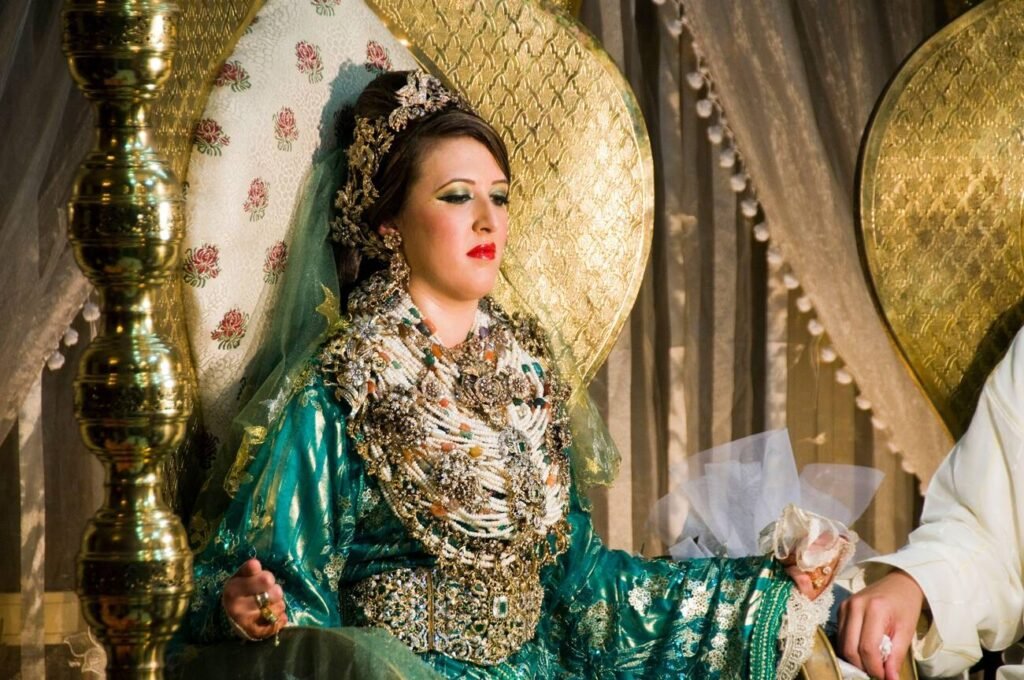
The bride often sits on a decorated chair while family members and guests celebrate around her. The henna night creates a warm and intimate atmosphere filled with laughter and emotion.
Traditional Moroccan Wedding Clothing
Fashion is one of the highlights of a Moroccan wedding. The bride traditionally changes outfits several times during the celebration. These outfits often include luxurious caftans and takchitas made from silk, velvet, and embroidered fabrics.
Each dress may represent a different region or cultural influence within Morocco. Brides wear elaborate jewelry, crowns, belts, and accessories that complete their royal appearance.
The groom also dresses elegantly, often wearing traditional Moroccan garments such as a djellaba or a stylish suit. Together, the couple presents a blend of tradition and sophistication.
The Amaria Ceremony
A famous and spectacular part of Moroccan weddings is the Amaria ceremony. During this tradition, the bride and groom are lifted on decorative platforms carried by attendants through the wedding hall.
The Amaria symbolizes honor, celebration, and the couple’s importance on their special day. Guests cheer, clap, sing, and dance as traditional Moroccan music fills the room. This dramatic entrance creates one of the most memorable moments of the wedding.
Music and Dance
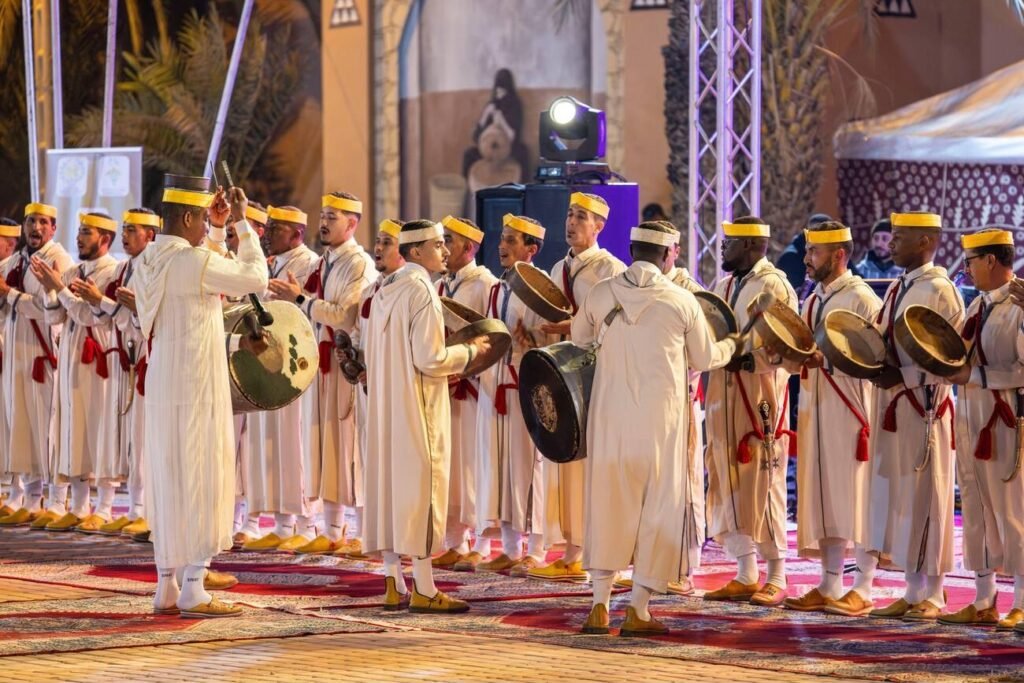
Music is essential to Moroccan wedding celebrations. Traditional bands perform live music using drums, violins, tambourines, and other instruments. Depending on the region, the wedding may feature Chaabi music, Andalusian melodies, Amazigh rhythms, or Gnawa performances.
Guests are encouraged to dance and celebrate together for hours. Moroccan weddings are known for their energetic atmosphere and joyful spirit. The celebration often continues late into the night, creating unforgettable memories for everyone involved.
Moroccan Wedding Food
Food is another important element of Moroccan wedding traditions. Guests are treated to a luxurious feast featuring traditional Moroccan dishes prepared with rich flavors and aromatic spices.
Common wedding dishes include:
- Tagine with meat, vegetables, or dried fruits
- Couscous served with vegetables and lamb
- Pastilla, a savory-sweet pastry filled with chicken or seafood
- Roasted lamb seasoned with Moroccan spices
- Fresh salads and traditional bread
- Moroccan pastries made with almonds and honey
- Mint tea served throughout the celebration
Meals are often served in multiple courses, reflecting Moroccan hospitality and generosity.
The Wedding Contract and Religious Traditions
Moroccan weddings are strongly connected to Islamic traditions. Before or during the wedding celebration, the marriage contract is signed in the presence of witnesses and an authorized religious official.
This legal and religious agreement confirms the marriage according to Islamic law. Prayers and blessings are often included during the ceremony to wish the couple a peaceful and successful life together.
Regional Differences in Moroccan Weddings
One of the most fascinating aspects of Moroccan weddings is that traditions vary greatly from one region to another. Morocco is culturally diverse, and wedding customs are influenced by language, geography, tribal heritage, and local history. Arab weddings in northern Morocco are often very different from those in the south, while Amazigh (Berber) weddings also change from region to region.
Arab Weddings in Northern Morocco
In northern cities such as Tangier, Tetouan, and Chefchaouen, weddings are influenced by Andalusian culture and Mediterranean traditions. The music is often softer and elegant, featuring Andalusian orchestras and refined ceremonial styles.
Brides in the north may wear white dresses alongside traditional caftans, and family celebrations are often highly organized and formal. Coastal cities also tend to include modern influences more quickly due to their historical connections with Europe.
Arab Weddings in Southern Morocco
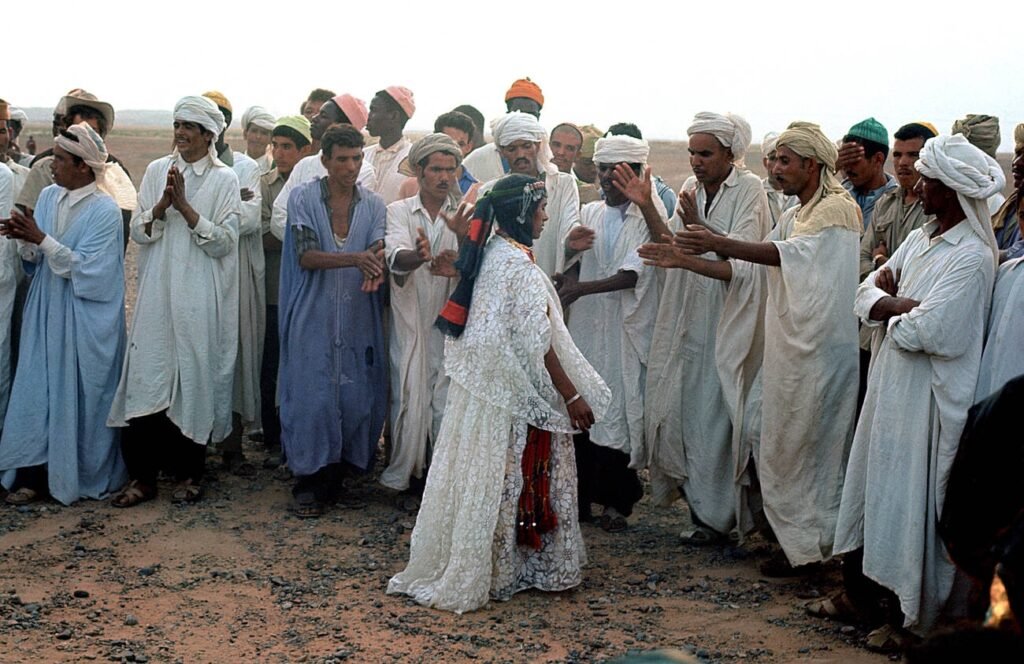
In southern regions, Arab wedding celebrations are usually more tribal, energetic, and community-centered. Traditional drums, desert-inspired clothing, and large collective dances are common.
The atmosphere is often louder and more festive, with extended celebrations that may continue for several days. Hospitality is extremely important, and large meals are prepared for entire communities.
Amazigh Weddings in the Atlas Mountains
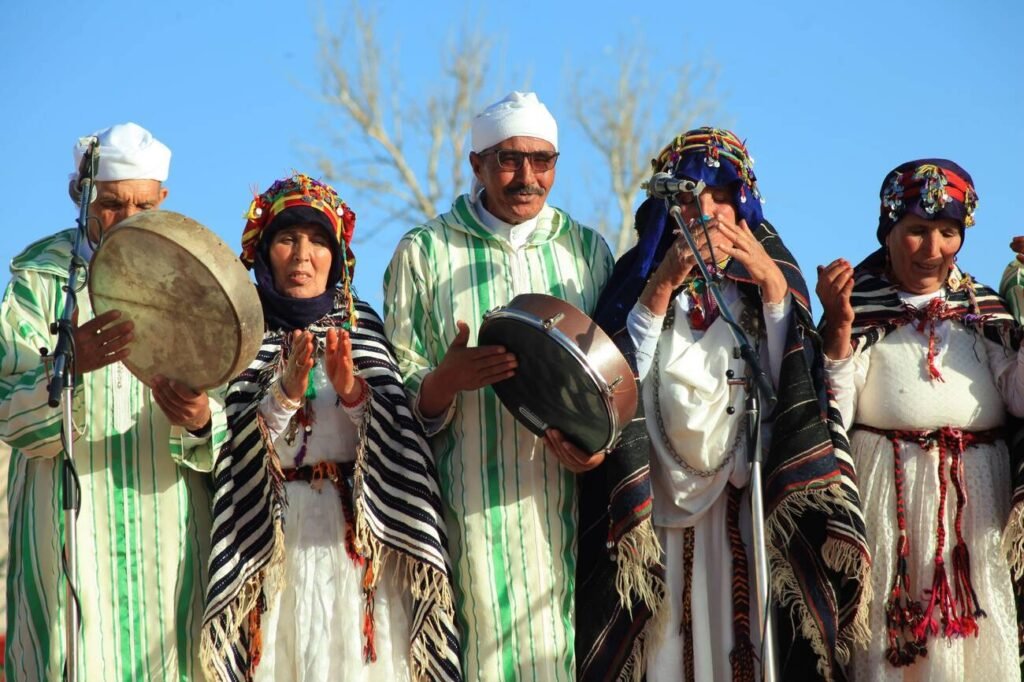
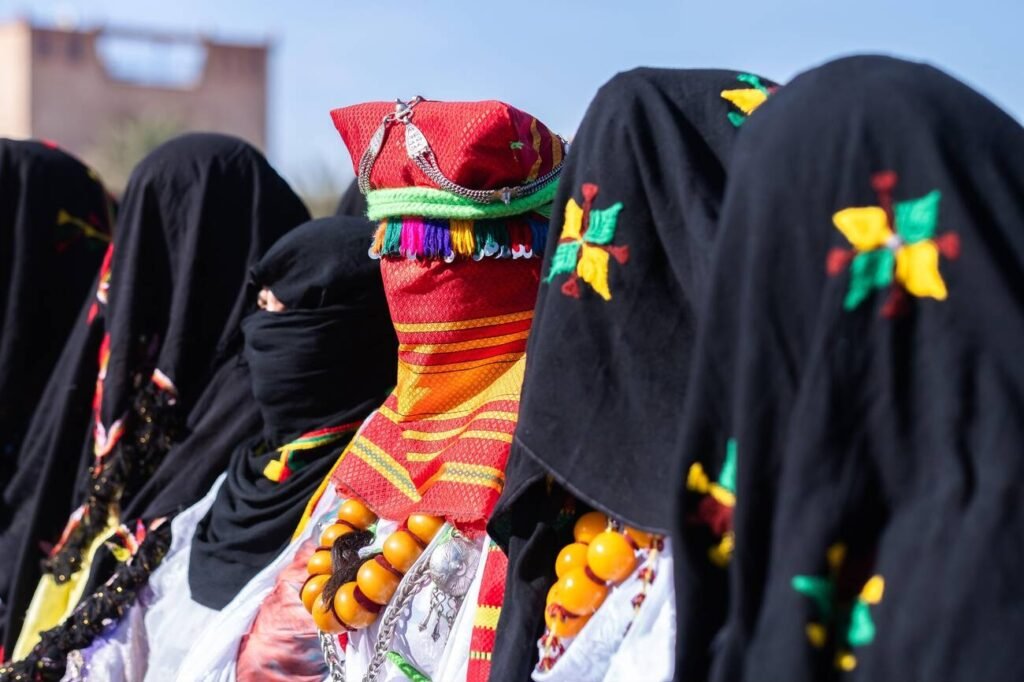
Amazigh weddings in the Atlas Mountains are known for their strong connection to tribal identity and ancient customs. Music and dance are central to the celebration, especially Ahidous performances, where men and women dance together in circles while singing traditional poetry.
Brides wear colorful handmade garments and heavy silver jewelry that symbolize beauty, family honor, and tribal belonging. Mountain weddings often preserve traditions that have existed for centuries.
Amazigh Weddings in the Desert Regions
In the desert areas of southeastern Morocco, including regions near Merzouga and Zagora, Amazigh wedding traditions are deeply connected to Saharan life. Celebrations may include camel processions, desert music, and ceremonies under large tents.
The clothing reflects desert culture, with flowing fabrics designed for the climate. Music often includes rhythmic drumming and spiritual chants that create a powerful atmosphere.
Amazigh Weddings in the Souss Region
The Souss region, around Agadir and southern Atlantic Morocco, has its own unique Amazigh wedding traditions. Soussi weddings are famous for their lively music, poetic songs, and community participation.
Women wear richly embroidered dresses and distinctive jewelry specific to the region. Traditional Amazigh language songs are often performed during the celebration, preserving local identity and heritage.
These regional differences make Moroccan weddings incredibly diverse. Although all Moroccan weddings share themes of family, hospitality, and celebration, each region adds its own unique character, music, clothing, and rituals.
Modern Moroccan Weddings
Today, many Moroccan couples combine traditional customs with modern influences. Luxury wedding venues, professional photography, international cuisine, and contemporary music are becoming increasingly popular.
However, despite these modern touches, traditional rituals remain deeply valued. Many couples proudly preserve cultural practices such as the henna night, traditional clothing, and live Moroccan music.
Social media and globalization have also influenced Moroccan weddings, allowing couples to personalize their celebrations while still honoring family traditions.
Conclusion
Moroccan wedding traditions are a beautiful reflection of the country’s rich culture, history, and values. Every ceremony, from the hammam ritual to the Amaria procession, carries deep meaning and creates a strong sense of community and celebration.
These weddings are not only about two people beginning a new life together; they are also about family unity, cultural pride, and joyful expression. Through music, food, fashion, and centuries-old customs, Moroccan weddings continue to captivate people around the world.
Whether traditional or modern, a Moroccan wedding remains a truly unforgettable experience filled with elegance, emotion, and celebration.
Book This Tour
Do not hesitage to give us a call. We are an expert team and we are happy to talk to you.
- +212666326536
- moroccantourcompany@gmail.com
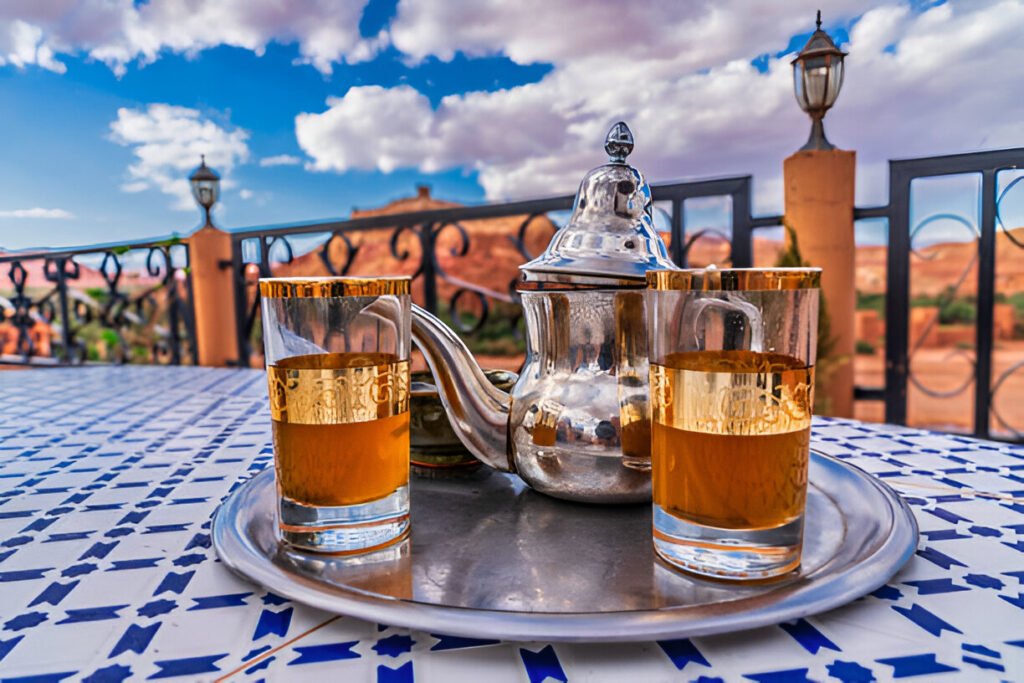
Moroccan mint tea is one of the most famous drinks in Morocco and a strong symbol of hospitality and daily life. Made with green tea, fresh mint leaves, and sugar, this traditional tea is served hot and shared..
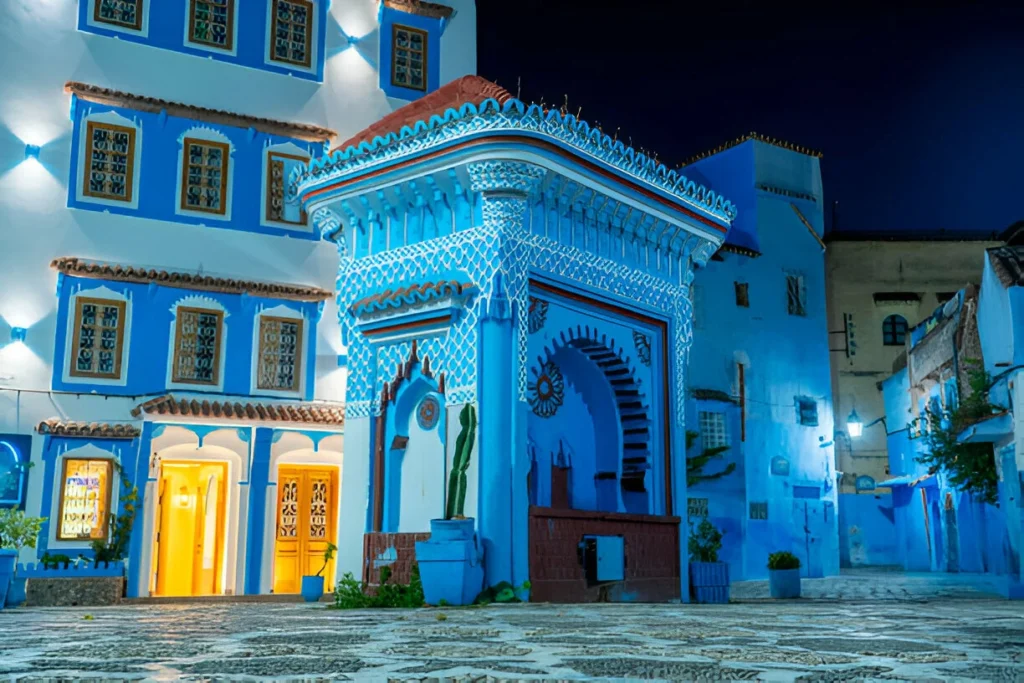
Are you planning a trip to Morocco? With its stunning landscapes, rich history, and vibrant culture, Morocco is one of the most exciting destinations in North Africa. However,
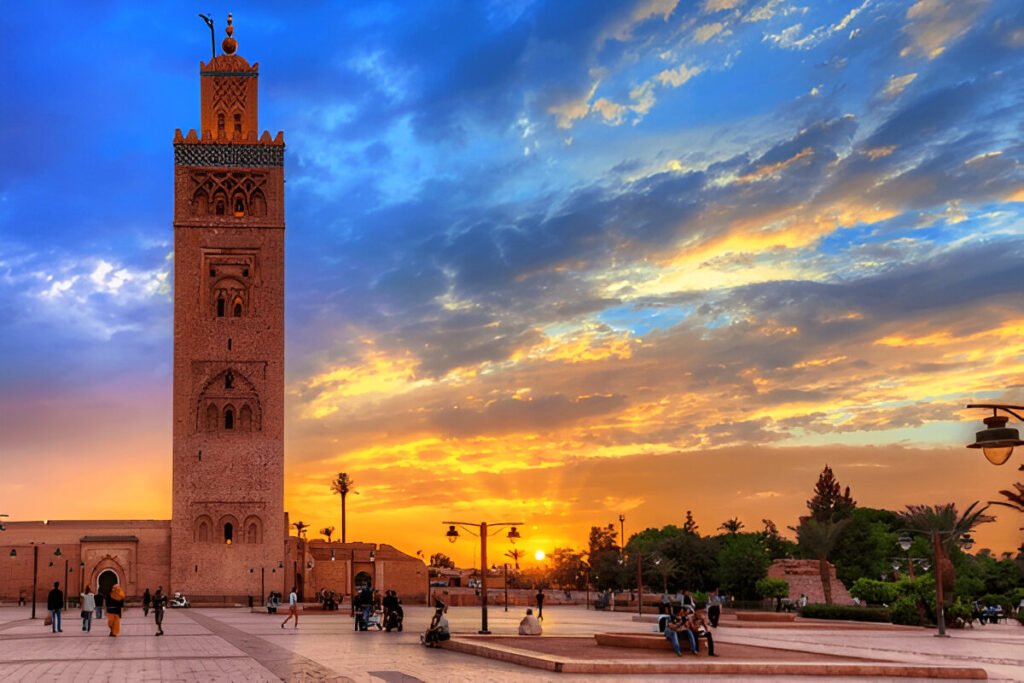
Discover the best things to do in Marrakech, from exploring colorful souks and historic palaces to desert adventures and relaxing hammams. A complete travel guide to Morocco’s Red City.
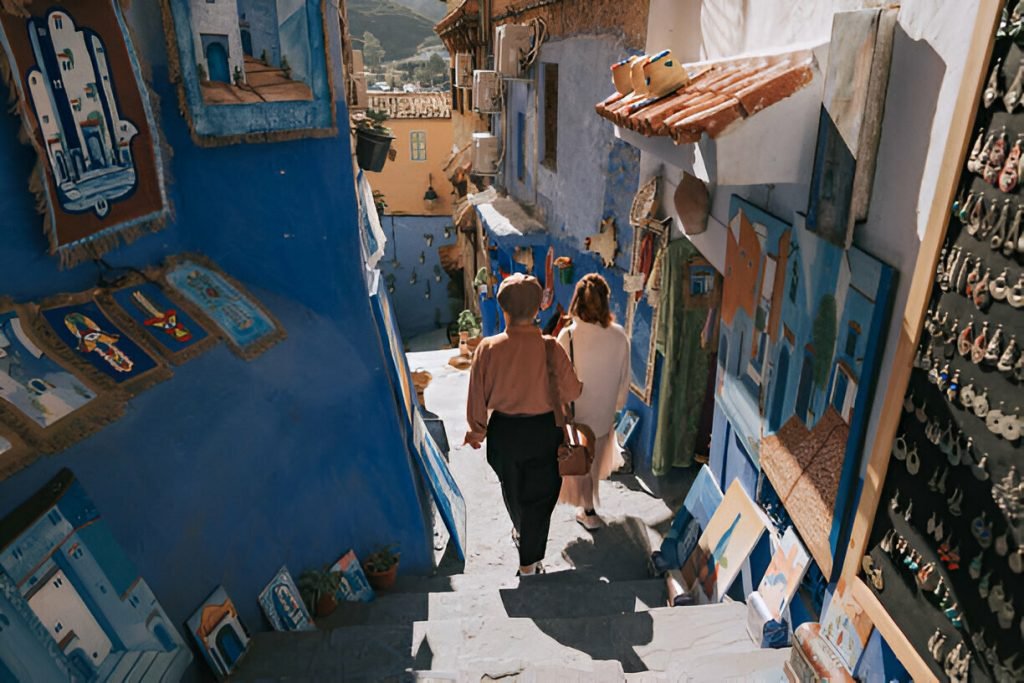
Morocco is a beautiful country with winding medinas, golden deserts, mountain peaks and rich culture. This makes it a fantastic travel destination…
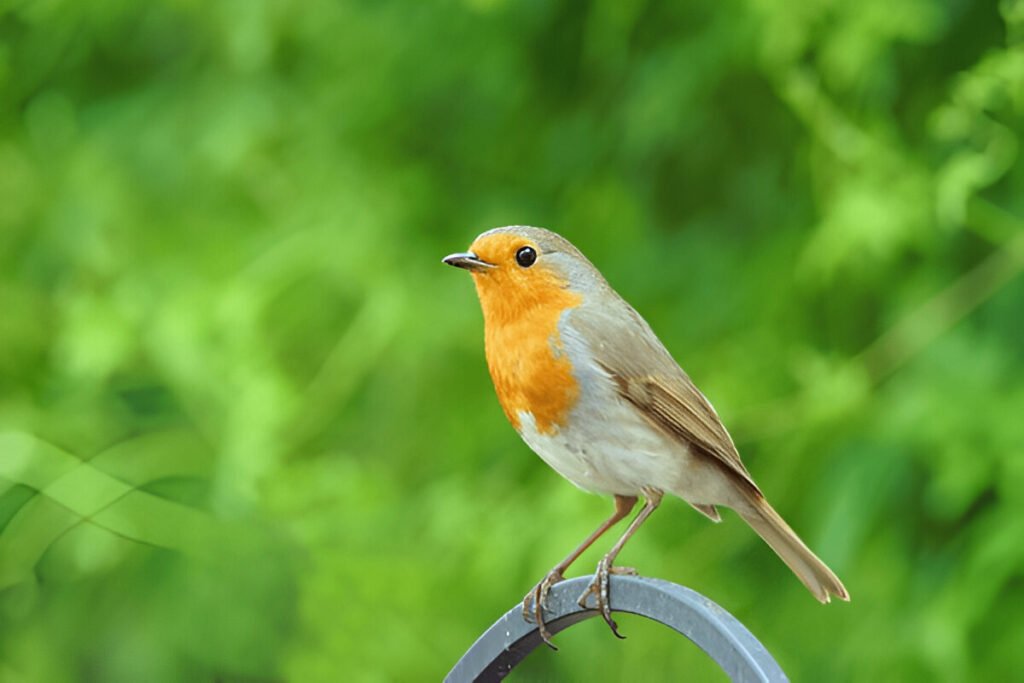
Morocco is a great place for birdwatching, with over 500 species of birds. From coastal areas to mountains, you can see many different types of birds….
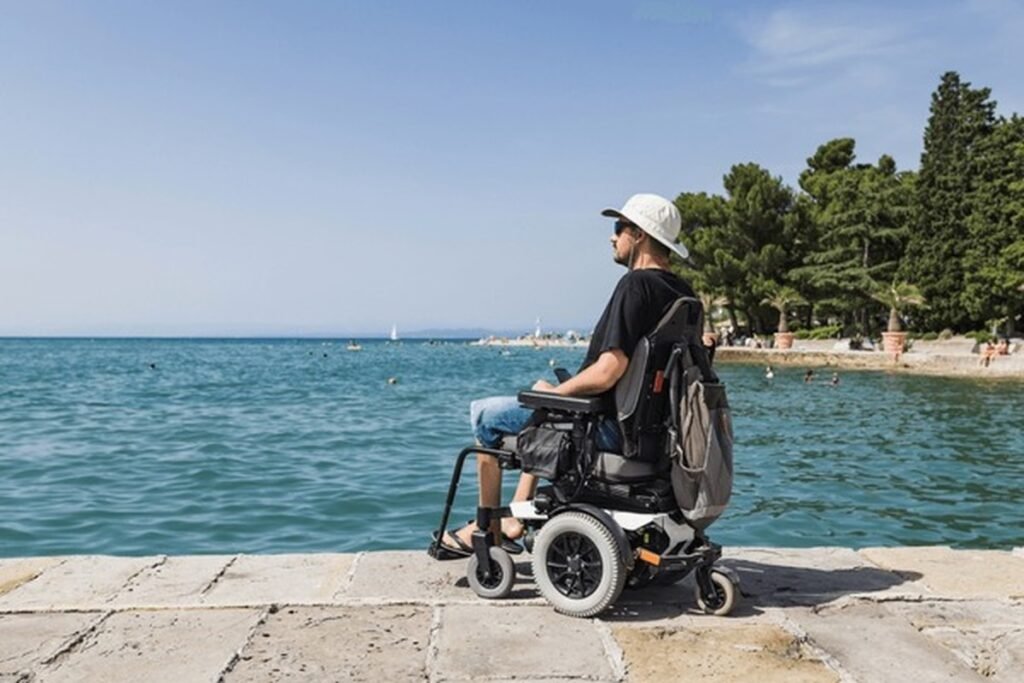
Morocco accessible travel allows travelers with disabilities to experience the country’s rich culture, stunning landscapes, and warm hospitality without compromise. wheelchair-friendly hotels, private transportation.
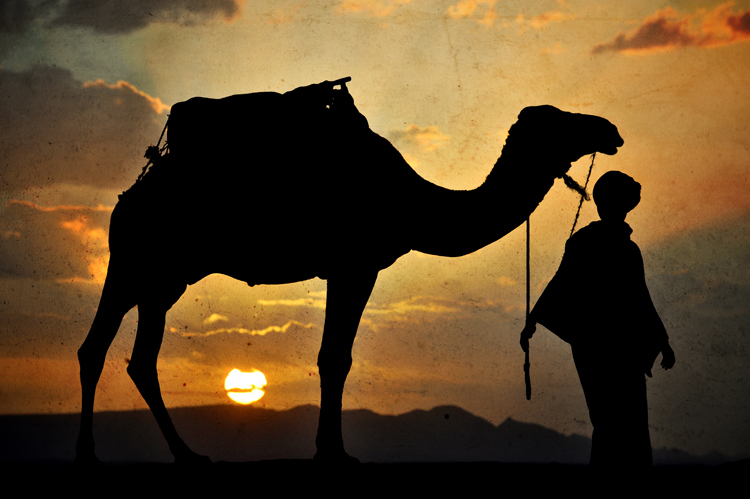
Moroccan traditional clothing is rich in history, culture, and regional identity. It reflects the country’s mix of Arab, Berber (Amazigh), and Andalusian influences, and it’s still widely worn today for daily life and
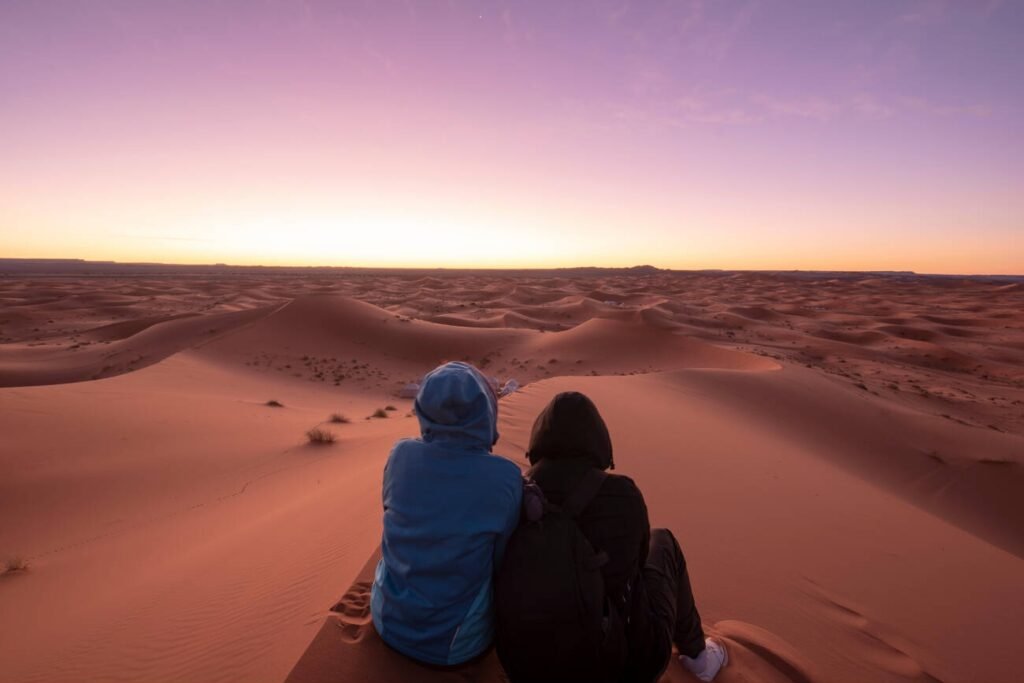
When people think about a honeymoon, they often dream about beautiful places, romantic hotels, sunsets, and unforgettable experiences. Morocco is one of the best…
Are you planning a trip to Morocco soon? Explore our Morocco tour packages below and see which one best fits your needs.
If you prefer something more personal, you can also create your own itinerary based on your interests and travel style. Just contact us, and we will be happy to help you design a customized trip that matches exactly what you are looking for.